Recreation Planning PDFs consolidate vital information, offering a structured approach to developing and managing recreational spaces and programs effectively.
These documents guide novice planners, detailing program development and implementation, while also showcasing long-term visions like Pitt County’s master plan.
What is a Recreation Planning PDF?
A Recreation Planning PDF is a digital document meticulously designed to outline the strategies and processes for developing, managing, and sustaining recreational resources within a community or region.
These PDFs serve as comprehensive guides, often incorporating elements like community engagement strategies, assessments of current resources, and detailed program proposals. They frequently detail a multi-step process – from initial community outreach to long-term implementation, as seen in examples like the Teanaway Community Forest plan.
Essentially, it’s a centralized repository of information, ensuring a cohesive and well-informed approach to recreation planning.
Why Use PDFs for Recreation Planning?
PDFs are ideal for Recreation Planning due to their accessibility and preservation of formatting across various platforms, ensuring consistent viewing for all stakeholders.
They facilitate easy distribution of detailed plans, like those guided by Rhode Island’s Comprehensive Planning Guidance, to community members and agencies. PDFs also allow for efficient archiving of crucial data, including demand assessments and program schedules.
Furthermore, they support collaborative review and annotation, streamlining the feedback process during public engagement, a key component highlighted in effective recreation planning frameworks.

The 5-Step Recreation Planning Process
The 5-Step Recreation Planning Process involves community engagement, political assessment, resource examination, opportunity identification, and plan development/implementation for successful outcomes.
Step 1: Engaging Your Community
Community engagement is the foundational first step in effective recreation planning, ensuring projects reflect local needs and desires. A practical framework for this engagement is crucial, utilizing diverse methods to gather feedback.
This initial phase involves actively soliciting input from residents, stakeholders, and user groups. Understanding their preferences, priorities, and existing recreation habits is paramount. Successful engagement builds support and ownership of the final plan.
PDF resources often highlight the importance of inclusive processes, reaching diverse demographics to create equitable recreation opportunities for all community members.
Step 2: Assessing Political Will
Assessing political will is a critical, yet often delicate, step in recreation planning. Understanding the support – or lack thereof – from local governing bodies is essential for project feasibility.
This involves identifying key decision-makers, understanding their priorities, and gauging their willingness to allocate resources to recreation initiatives. Successful plans align with broader community goals and demonstrate a clear return on investment.
Recreation Planning PDFs emphasize the need for proactive communication and building relationships with political leaders to secure necessary approvals and funding.
Step 3: Examining Current Recreation Resources
Examining current recreation resources forms the foundation of effective planning. This step involves a comprehensive inventory of existing parks, trails, facilities, and programs within the community.
Recreation Planning PDFs highlight the importance of assessing the condition, accessibility, and utilization rates of these resources. Identifying gaps and deficiencies is crucial for prioritizing future investments.
Current use analysis, as detailed in these PDFs, helps determine which facilities are underutilized and which are experiencing high demand, informing decisions about improvements or new development.
Step 4: Identifying Recreation Opportunities
Identifying recreation opportunities builds upon the assessment of existing resources and community needs, as outlined in Recreation Planning PDFs. This stage focuses on pinpointing potential areas for new parks, trails, or program offerings.
The process involves defining Recreation Opportunity Spectrum (ROS) categories to match diverse recreational preferences. PDFs emphasize assessing both demand and capability – what the community wants and what is feasible.
Suitable locations are identified considering factors like accessibility, environmental impact, and land availability, ultimately shaping a plan that maximizes recreational benefits for all.
Step 5: Developing and Implementing the Plan
Developing and implementing the plan, as detailed in Recreation Planning PDFs, translates vision into action. This crucial step involves crafting structured program proposals with detailed schedules and timelines to guide successful execution.
Effective implementation requires securing necessary resources, establishing clear responsibilities, and ongoing monitoring to ensure the plan stays on track. PDFs often highlight the importance of adapting to changing circumstances.
Long-term vision, like that of the Teanaway Community Forest Recreation Plan, guides access and recreation for 10-15 years, demonstrating sustained commitment.
Key Components of a Recreation Plan
Recreation plans define ROS categories, assess demand and capability, analyze current use, and pinpoint suitable locations—all essential elements detailed within comprehensive PDFs.
Defining Recreation Opportunities Spectrum (ROS) Categories
Recreation Opportunity Spectrum (ROS) categories are fundamental to effective recreation planning, as outlined in numerous planning PDFs. This system classifies lands based on the range of recreational experiences they offer, from primitive and remote settings to developed and accessible areas.
Defining these categories—ranging from pristine wilderness to urban parks—is the initial step in aligning recreational opportunities with public desires and land capabilities. PDFs provide detailed guidance on assessing these factors, ensuring a balanced and sustainable approach to resource management.
Proper ROS categorization informs decisions about facility development, access management, and overall recreation programming, ultimately enhancing the quality of recreational experiences.
Assessing Demand and Capability
Recreation planning PDFs emphasize a crucial balance: understanding what the public wants (demand) and what the land can sustain (capability). Assessing demand involves gathering data on current recreation use, demographic trends, and community preferences through surveys and public input.
Capability assessment analyzes the physical, environmental, and social characteristics of potential recreation sites. This includes evaluating factors like terrain, water resources, ecological sensitivity, and existing infrastructure.
Successfully matching demand with capability ensures that recreation opportunities are both enjoyable and environmentally responsible, as detailed in comprehensive planning guidance.
Current Recreation Use Analysis
Recreation planning PDFs prioritize a thorough understanding of how recreational resources are currently utilized. This analysis involves documenting existing activities, visitor numbers, and patterns of use across different sites and facilities.
Data collection methods include on-site observations, trail counters, user surveys, and reviewing existing records. Identifying peak seasons, popular activities, and user demographics helps planners understand current needs and preferences.
This information forms a baseline for evaluating future demand and identifying potential gaps in service, ensuring new plans build upon existing strengths and address unmet needs, as highlighted in planning guidance.
Identifying Suitable Locations
Recreation planning PDFs detail a systematic process for pinpointing optimal locations for new recreational facilities or improvements. This involves evaluating land suitability based on factors like accessibility, environmental sensitivity, and existing infrastructure.
GIS mapping and spatial analysis are frequently employed to assess potential sites, considering proximity to population centers and existing recreation resources. The Recreation Opportunities Spectrum (ROS) categories guide decisions, ensuring compatibility with the surrounding environment.
Careful consideration of demand, capability, and current use patterns, as outlined in comprehensive plans, informs the selection of locations that maximize benefits for the community.

Public Engagement in Recreation Planning
Recreation planning PDFs emphasize the critical importance of community input, outlining frameworks and methods for gathering feedback to ensure projects reflect public needs.
Importance of Public Input
Recreation planning PDFs consistently highlight that robust public engagement is not merely a procedural step, but a foundational element for successful and sustainable recreation initiatives.
Meaningful community involvement ensures plans accurately reflect the diverse needs and desires of residents, fostering a sense of ownership and increasing project support. Ignoring public input can lead to facilities and programs that are underutilized or even actively opposed.
Effective recreation planning, as detailed in relevant PDF guides, prioritizes inclusive processes, guaranteeing equitable access and maximizing the positive impact on the entire community. This collaborative approach builds trust and strengthens the long-term viability of recreation resources.
Framework for Effective Engagement
Recreation planning PDFs emphasize a structured framework for public engagement, beginning with clearly defined goals and objectives for the input process. This includes identifying key stakeholder groups and tailoring outreach methods to reach diverse populations effectively.
A successful framework incorporates multiple engagement avenues – surveys, workshops, public forums, and online platforms – to maximize participation. Transparency is crucial; providing accessible information about the plan and how feedback will be used builds trust.
These guides advocate for documenting all input received and demonstrating how it influenced decision-making, ensuring accountability and fostering a collaborative spirit throughout the planning process.
Methods for Gathering Community Feedback
Recreation planning PDFs highlight diverse methods for gathering community input, recognizing that a one-size-fits-all approach is ineffective. Traditional methods like public forums and workshops remain valuable, allowing for direct interaction and dialogue.
However, modern planning increasingly utilizes online surveys and interactive mapping tools to reach broader audiences and gather geographically specific data. Social media platforms offer another avenue for engagement, facilitating quick polls and discussions.
Effective guides also suggest targeted outreach to underrepresented groups, ensuring equitable participation and a truly inclusive plan reflecting the needs of the entire community.
Recreation Planning Guidance & Handbooks
Recreation planning PDFs often reference comprehensive handbooks, like Rhode Island’s guidance series, fostering cooperation between state agencies for effective planning.
Rhode Island Comprehensive Planning Guidance
Rhode Island’s Comprehensive Planning Guidance Handbook Series represents over two years of collaborative effort among various state agencies. This resource is invaluable for recreation planning, providing a structured framework for communities seeking to enhance their recreational offerings.
The series aims to streamline the planning process, ensuring consistency and quality across the state. Recreation Planning PDFs frequently cite this guidance, utilizing its principles for assessing needs, identifying opportunities, and developing sustainable plans. It emphasizes a holistic approach, integrating recreation with broader community development goals.
These handbooks offer practical tools and best practices, empowering planners to create impactful and equitable recreation systems for all residents.
Utilizing State Agency Resources
Effective Recreation Planning often necessitates leveraging the expertise and resources available through state agencies. These entities frequently offer technical assistance, funding opportunities, and data crucial for informed decision-making.
State agencies can provide guidance on grant applications, regulatory compliance, and best practices in park development and program management. Accessing their resources ensures plans align with state-level goals and standards. Recreation Planning PDFs often reference state data regarding demographics, land use, and existing recreational facilities.
Collaboration with state agencies fosters a more efficient and impactful planning process, maximizing the benefits for communities.
Developing Recreation Programs
Recreation Planning programs require structured proposals and detailed schedules to ensure successful implementation, guiding all aspects from conception to execution.
Structured Program Proposals
Effective recreation program planning hinges on well-defined proposals, serving as the blueprint for success. These proposals must articulate clear objectives, target demographics, and anticipated outcomes.
Detailed budgets are crucial, outlining all anticipated expenses – staffing, materials, marketing, and facility usage. A comprehensive schedule, including timelines for preparation, implementation, and evaluation, is also essential.
Furthermore, proposals should demonstrate alignment with broader recreation plans and community needs, referencing relevant data from assessments and public engagement efforts.
Strong proposals clearly define evaluation metrics to measure program impact and inform future improvements, ensuring accountability and continuous enhancement.
Detailed Schedules and Timelines
Robust recreation programs demand meticulously crafted schedules and timelines, acting as the operational backbone for successful delivery. These should break down each program phase – planning, promotion, execution, and evaluation – into manageable tasks with assigned deadlines.
A clear timeline visualizes dependencies, highlighting critical path activities and potential bottlenecks. Resource allocation, including staff assignments and facility bookings, must be integrated into the schedule.
Contingency planning is vital, accounting for unforeseen circumstances like weather disruptions or low registration. Regularly monitoring progress against the timeline allows for proactive adjustments and ensures programs stay on track.
Detailed schedules demonstrate organizational preparedness and enhance program credibility.
Master Planning for Recreation
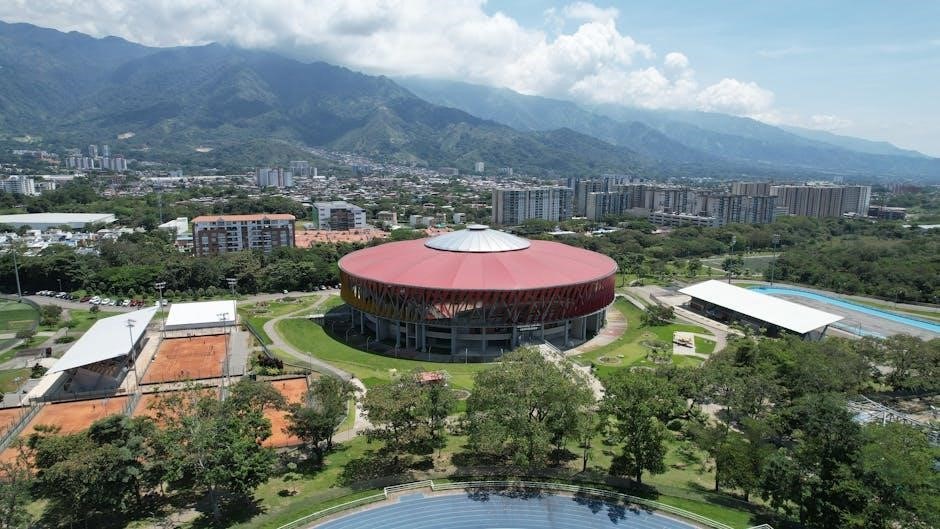
Master plans, like Pitt County’s, establish a long-term vision for recreation, guiding future development and ensuring sustainable access to recreational opportunities.
Pitt County Board of Commissioners Example
Pitt County’s unanimous adoption of a comprehensive master plan demonstrates a commitment to expanding recreational resources for its residents. This plan, developed with careful consideration, specifically highlights the need for additional recreational space and a significant increase in arts and recreational programming.
Nate Halubka’s involvement underscores the importance of expert guidance in the planning process. The master plan serves as a blueprint for future investment, ensuring that recreational opportunities align with community needs and contribute to a higher quality of life for all Pitt County citizens. It exemplifies proactive recreation planning.
Long-Term Vision for Recreation
A robust long-term vision for recreation, as exemplified by plans like the Teanaway Community Forest Recreation Plan, extends 10-15 years into the future. This foresight allows for strategic development and sustainable management of recreational assets.
Such plans aren’t merely about current needs; they anticipate evolving demographics and preferences. They guide public access and ensure recreational opportunities remain relevant and accessible for generations. Effective planning incorporates comprehensive assessments and community input, creating a resilient and thriving recreational landscape.
Teanaway Community Forest Recreation Plan
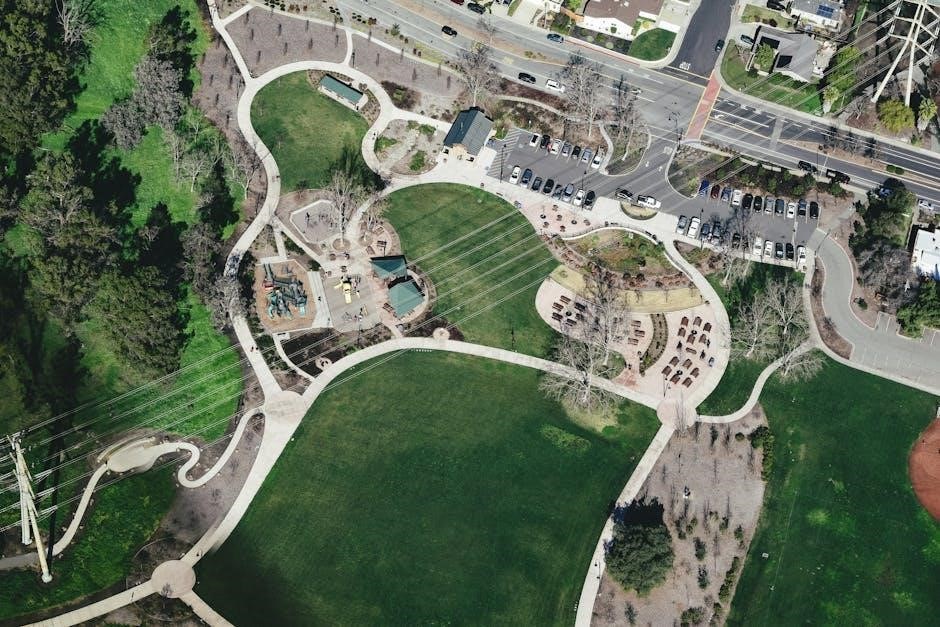
The plan strategically guides recreation and public access within the Teanaway Community Forest for the next decade, ensuring sustainable opportunities for all users.
10-15 Year Planning Horizon
The Teanaway Community Forest Recreation Plan adopts a forward-thinking approach, establishing a 10-15 year planning horizon to proactively address evolving recreational needs and environmental considerations.
This extended timeframe allows for comprehensive assessment of long-term impacts, ensuring the sustainability of recreational opportunities. It facilitates adaptive management strategies, enabling adjustments based on monitoring data and community feedback.
Such a horizon supports strategic investments in infrastructure, resource protection, and program development, fostering a resilient and thriving recreational landscape for future generations. This long-term vision is crucial for balancing public access with ecological integrity.
Guiding Recreation and Public Access
The Teanaway Community Forest Recreation Plan serves as a crucial document guiding recreation and public access opportunities within the forest for years to come.
It establishes a framework for managing recreational use, balancing visitor experiences with the preservation of natural resources. The plan outlines designated areas for various activities, ensuring responsible and sustainable access.
By clearly defining access points, trail networks, and permitted uses, the plan minimizes environmental impacts and enhances visitor safety. It promotes a harmonious relationship between the community, recreationists, and the forest ecosystem, fostering long-term stewardship.
Resources for Novice Program Planners
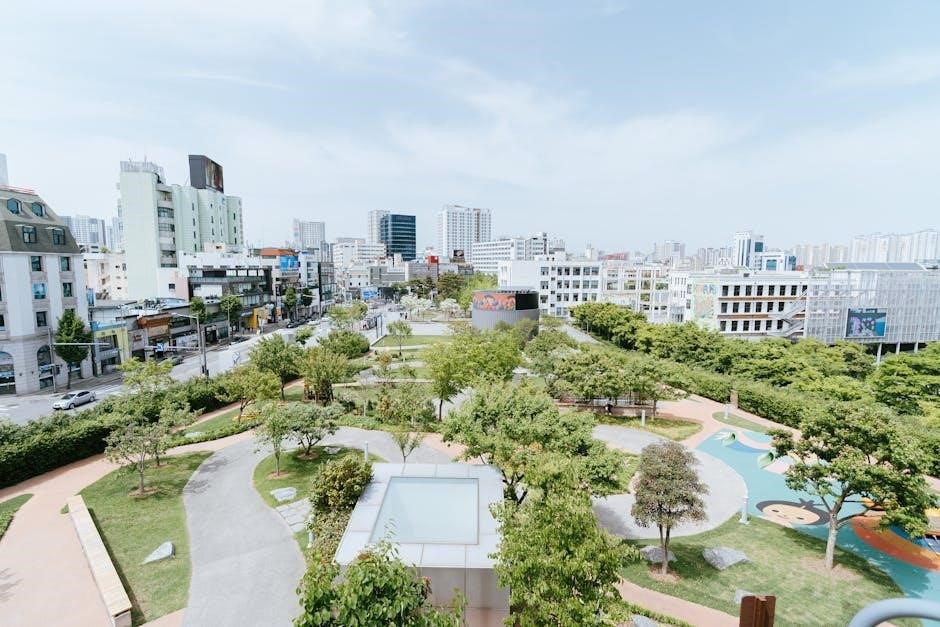
Guides are available to assist new planners in bringing recreation programs to life, offering detailed instructions for successful program development and implementation.
Guides for Bringing Programs to Life
Effective recreation program planning relies on accessible resources for those new to the field. Several guides specifically address the nuances of transforming initial ideas into tangible, successful programs.
These resources provide detailed instructions, moving a program from the conceptual “dreaming” stage through practical implementation. They emphasize structured program proposals and the creation of detailed schedules and timelines, crucial for guiding successful execution.
Such guides empower novice planners with the tools to navigate the complexities of program development, ensuring well-organized and impactful recreational opportunities for communities.
Detailed Instructions for Program Development
Recreation Planning PDFs often contain step-by-step instructions vital for successful program creation. These resources emphasize the importance of structured proposals, outlining necessary components for clarity and approval.
Detailed schedules and timelines are consistently highlighted, ensuring organized implementation and efficient resource allocation. Guides assist in defining program objectives, target audiences, and evaluation methods.
Furthermore, they provide guidance on budgeting, staffing, and risk management, equipping planners with a comprehensive toolkit. These instructions transform abstract ideas into actionable plans, fostering impactful recreational experiences.
Future Trends in Recreation Planning
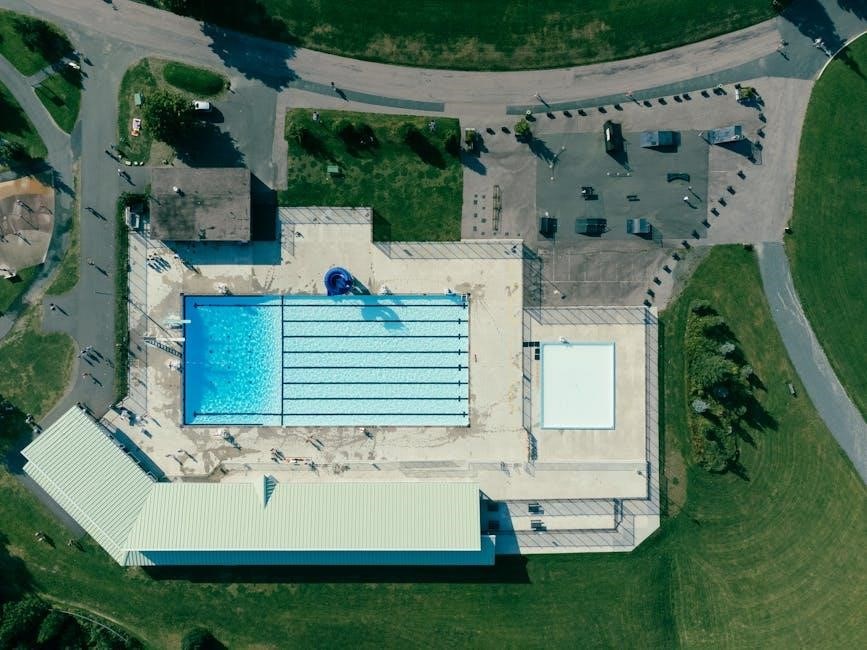
Recreation planning must adapt to evolving demographics and prioritize sustainable practices, as highlighted in current PDF resources and forward-thinking master plans.
Adapting to Changing Demographics
Recreation planning PDFs increasingly emphasize the need to address shifts in population characteristics. Planners must analyze demographic data to understand evolving needs and preferences.
This includes considering age, cultural backgrounds, and ability levels when designing programs and facilities. Successful recreation initiatives will be inclusive and cater to diverse communities.
PDF guidance documents highlight the importance of community engagement to accurately assess these changing demographics and ensure equitable access to recreational opportunities. Ignoring these trends risks creating programs that fail to resonate with the population they serve.
Future recreation plans will prioritize flexibility and adaptability to remain relevant as demographics continue to evolve.
Incorporating Sustainable Practices
Recreation planning PDFs now heavily feature sustainable design and operational strategies. This includes minimizing environmental impact through responsible resource management and conservation efforts.
Documents emphasize utilizing eco-friendly materials in facility construction, reducing water consumption, and promoting energy efficiency. Consideration is given to preserving natural habitats and biodiversity within recreational areas.
PDF resources advocate for incorporating principles of environmental stewardship into program development, encouraging responsible recreation behaviors among users. Long-term recreation plans, like those for the Teanaway Community Forest, prioritize guiding public access sustainably.
Adapting to climate change and promoting ecological resilience are central themes.