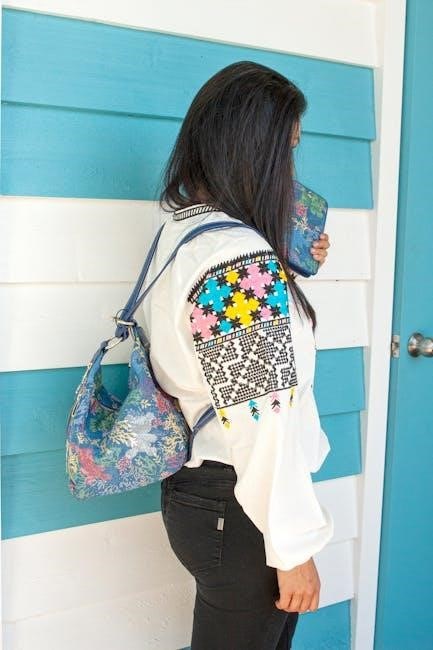
Hobo bags represent relaxed style, offering ample space and a slouchy silhouette; many seek a free hobo bag pattern PDF to begin crafting!
What is a Hobo Bag?
Hobo bags are characterized by their crescent-shaped design, resembling the bags traditionally carried by hobos – hence the name! They’re known for their soft, slouchy form and generally feature a long, shoulder-grazing strap․ Unlike structured bags, hobos prioritize comfort and practicality, offering generous space for everyday essentials․
Historically, these bags were often made from repurposed materials, emphasizing resourcefulness․ Modern hobos, however, come in a vast array of fabrics – from luxurious leather to durable canvas – and styles, ranging from minimalist to highly embellished․ The defining feature remains that relaxed, informal shape․
Many crafters are drawn to the simplicity of the design, making it an excellent project for intermediate sewers․ Searching for a free hobo bag pattern PDF is a popular starting point for those wanting to create their own unique version of this timeless accessory․
Why are Hobo Bags Popular?
Hobo bags enjoy enduring popularity due to their blend of style and functionality․ Their relaxed silhouette complements a wide range of outfits, from casual jeans and a t-shirt to more dressed-up ensembles․ The spacious interior easily accommodates everything needed for a day out – wallet, phone, keys, and more – without feeling overly bulky․
Beyond practicality, hobos represent a carefree, bohemian aesthetic that resonates with many․ They’re a statement of effortless chic, prioritizing comfort and individuality․ The availability of numerous free hobo bag pattern PDF options further fuels their appeal, empowering sewists to customize their bags to perfectly match their personal style․
This accessibility, combined with the bag’s timeless design, ensures the hobo bag remains a beloved accessory season after season․

Materials Needed for Your Hobo Bag
Gathering supplies is key! You’ll need fabric, interfacing, handles, hardware, and a free hobo bag pattern PDF to start your project․
Fabric Choices: Leather, Canvas, & More
Selecting the right fabric dramatically impacts your hobo bag’s look and durability․ For a classic, luxurious feel, leather is an excellent choice, though it requires specialized sewing skills and tools․ Canvas offers a more casual, robust option, perfect for everyday use and readily available in various weights and colors․
Denim provides a unique, textured aesthetic, while cotton duck is a sturdy, affordable alternative to canvas․ Consider linen for a softer, more drapey hobo, though it may require lining for added structure․ When using a free hobo bag pattern PDF, always check the recommended fabric types; lighter fabrics may need interfacing to maintain shape․ Don’t forget to factor in the fabric’s weight and drape when envisioning the final slouchy silhouette!
Hardware Requirements: Rings, Clasps, & Zippers
Essential hardware elevates both the functionality and aesthetic of your hobo bag․ D-rings or O-rings are crucial for attaching the handles, allowing for comfortable shoulder carry․ The size of the rings should complement the handle width and bag’s overall scale․ A magnetic snap or zipper provides secure closure, preventing belongings from spilling․
If your free hobo bag pattern PDF includes pockets, consider adding clasps or smaller snaps for added security․ Rivets reinforce stress points, particularly where handles attach, enhancing durability․ Choose hardware finishes that coordinate with your fabric – brass, silver, or antique bronze are popular options․ Remember to account for the hardware’s cost when budgeting for your project, and ensure it’s compatible with your chosen fabric’s thickness․
Essential Tools: Cutting, Sewing, & Finishing
Successfully utilizing a free hobo bag pattern PDF requires specific tools․ A rotary cutter, cutting mat, and quilting ruler ensure precise fabric cuts․ Accurate cutting is paramount for a professional finish․ A sewing machine is, of course, essential, ideally with adjustable stitch lengths and widths․ Invest in quality scissors for trimming threads and delicate fabrics․
Pins or fabric clips hold pattern pieces securely to the fabric․ An iron and ironing board are vital for pressing seams and creating crisp edges․ For finishing, consider a seam ripper (for inevitable mistakes!), a serger (optional, for neatening raw edges), and a point turner for professional corners․ Don’t forget thread matching your fabric and a needle appropriate for the material’s weight!

Understanding the Hobo Bag Pattern (PDF)
Free hobo bag pattern PDFs often include multiple pieces; carefully review all diagrams and instructions before cutting any fabric for best results․
Pattern Pieces Explained
When utilizing a free hobo bag pattern PDF, understanding each piece is crucial․ Typically, you’ll find pieces for the bag’s exterior, lining, and handles․ The exterior piece is often a large, curved shape – this defines the signature slouch of the hobo bag;
Lining pieces mirror the exterior, sometimes slightly smaller to ensure a smooth fit․ Handle patterns vary; some are long strips for simple straps, while others are more complex, requiring interfacing for structure․
Pay close attention to any pocket pieces included in your free PDF; these will have separate pattern sections․ The pattern should clearly label each piece (e․g․, “Bag Exterior – Cut 2,” “Handle – Cut 2”)․ Look for grainline markings, indicating how to align the pattern piece with the fabric’s weave․ Notches are vital for matching seams accurately during construction, especially the curved sections․ Finally, remember to check for any included interfacing pieces, essential for adding stability to handles or bag structure․
Seam Allowances & Markings
Before cutting your fabric using a free hobo bag pattern PDF, carefully examine the indicated seam allowances․ Most patterns include a standard allowance – typically 1/2 inch or 3/8 inch – but this can vary․ Consistent seam allowances are vital for a professional finish․
Beyond seam allowances, patterns utilize various markings․ Dashed lines often represent stitching lines, while dotted lines might indicate folding points․ Notches, as previously mentioned, are crucial for aligning pieces, particularly on curved seams․
Your free PDF may also include markings for pocket placement, handle attachment points, or decorative elements․ Always read the pattern instructions alongside the pattern pieces to fully understand each marking’s purpose․ Ignoring these details can lead to misaligned seams or incorrectly placed features․ Double-check the pattern key to decipher any unfamiliar symbols before you begin cutting!
Pattern Grading & Sizing (if applicable)
Not all free hobo bag pattern PDF downloads offer multiple sizes or grading instructions․ Many free patterns are designed for a single, standard size․ However, some more comprehensive free patterns may include guidelines for adjusting the pattern to create larger or smaller bags․
Pattern grading involves proportionally increasing or decreasing the dimensions of the pattern pieces․ If your free PDF includes grading information, it will typically provide percentage increases or decreases for key measurements like height, width, and depth․
If a pattern lacks grading instructions, altering the size requires more advanced pattern-making skills․ You’ll need to understand how changes to one dimension affect others to maintain the bag’s overall shape and proportions․ Proceed cautiously and consider making a muslin mock-up before cutting into your final fabric․

Step-by-Step Construction Guide
Following your chosen free hobo bag pattern PDF, carefully cut fabric, sew the lining, and securely attach the handles for a beautiful result!
Cutting the Fabric Pieces
Begin by printing your free hobo bag pattern PDF at 100% scale to ensure accurate sizing․ Carefully review the pattern pieces, identifying each component – body, lining, handles, and any optional pockets or embellishments․ Lay out your chosen fabric, considering the grain direction as indicated on the pattern․ Pin the pattern pieces securely to the fabric, ensuring they lie flat and smooth․
Using sharp fabric scissors or a rotary cutter, meticulously cut around each pattern piece, adding the specified seam allowance (typically ½ inch) as detailed in the pattern instructions․ Accuracy at this stage is crucial for a well-constructed bag․ Don’t rush! Double-check that you’ve cut the correct number of each piece, paying attention to any “mirror image” instructions for pieces like the bag body․
Transfer any markings from the pattern onto the fabric using tailor’s chalk or a fabric marker – these markings will guide your sewing process․ Finally, gather all your cut pieces, organized and ready for the next step: sewing the bag lining․
Sewing the Bag Lining
With your lining fabric pieces cut from your free hobo bag pattern PDF, begin by assembling the lining․ Typically, this involves sewing the side seams and bottom seam together, leaving a turning gap of approximately 4-6 inches along the bottom seam․ This gap will be used later to turn the bag right-side out․ Press the seams open for a cleaner finish․
If your pattern includes lining pockets, now is the time to attach them․ Carefully pin the pocket pieces to the lining, ensuring they are aligned correctly, and stitch them securely in place․ Reinforce the pocket corners for added durability․ Remember to backstitch at the beginning and end of each seam to prevent unraveling․
Once the lining is fully assembled, set it aside․ You’ll be returning to it later to complete the bag construction, but for now, focus on preparing the outer bag pieces․
Attaching the Handles
Now, let’s attach the handles to your nearly-complete hobo bag, utilizing your free hobo bag pattern PDF as a guide․ First, determine the precise placement of the handles on the exterior of the bag․ Most patterns will indicate specific measurements for optimal balance and comfort․ Pin the handles securely in place, ensuring they are evenly spaced and aligned․
Using a strong thread – consider upholstery thread for extra durability – stitch the handles firmly to the bag․ Reinforce the stitching with a box-and-X pattern, or multiple rows of stitching, to distribute the weight and prevent the handles from pulling away over time․ Backstitch generously at the beginning and end of each stitching line․
Repeat this process for both handles, taking care to maintain symmetry․ Once attached, inspect the handles to ensure they are securely fastened and can comfortably support the weight of the bag’s contents․
Adding Finishing Touches
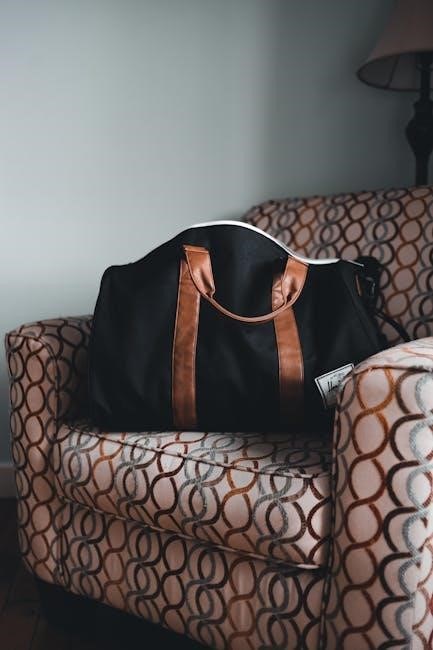
Finishing touches elevate your handmade hobo bag; explore options after using your free hobo bag pattern PDF for a professional, personalized result!
Installing the Closure (Magnetic Snap, Zipper, etc․)
Securing a closure is vital for a functional hobo bag, especially after utilizing a free hobo bag pattern PDF․ Magnetic snaps are beginner-friendly, offering quick access while maintaining a sleek profile․ Carefully mark the desired placement on both the bag body and the flap, ensuring alignment for a secure closure․

For a more secure option, consider a zipper․ Installing a zipper requires precision; baste it in place first to confirm fit before permanently sewing․ Alternatively, a turn-lock closure adds a vintage aesthetic and provides robust security․ Remember to reinforce the fabric around the closure area to prevent tearing, particularly with heavier materials․
Always follow the manufacturer’s instructions for installing the chosen hardware․ Proper installation ensures the closure functions smoothly and enhances the overall durability of your handcrafted hobo bag․ Don’t skip reinforcing stitches!
Edge Finishing Techniques (Binding, Serging)
Finishing raw edges is crucial for a professional look, even when working with a free hobo bag pattern PDF․ Serging creates a clean, durable edge, preventing fraying and adding a polished finish․ If you lack a serger, a zigzag stitch can serve as a reasonable alternative, though less refined․
Fabric binding offers a more decorative and robust edge finish․ Choose a coordinating bias tape and carefully wrap it around the raw edges, securing it with precise stitching․ This method not only prevents fraying but also adds a contrasting color or pattern․
Consider the fabric weight when selecting a technique; lighter fabrics benefit from serging, while heavier materials often pair well with binding․ A neatly finished edge elevates the overall quality and longevity of your handmade hobo bag․
Optional Embellishments & Personalization
Even utilizing a free hobo bag pattern PDF doesn’t limit your creativity! Personalize your creation with unique embellishments․ Consider adding patches, embroidery, or fabric paint to reflect your individual style․ Leather tags, metal studs, or decorative buttons can also elevate the bag’s aesthetic․
Experiment with different handle styles – braided leather, chain straps, or colorful webbing can dramatically change the bag’s look․ Don’t be afraid to play with contrasting linings or interior pockets for added functionality․
Monogramming is a classic touch, adding a personal and sophisticated detail․ Remember, embellishments should complement the bag’s overall design and enhance its character, transforming a simple project into a truly one-of-a-kind accessory․
Resources & Free Pattern Links
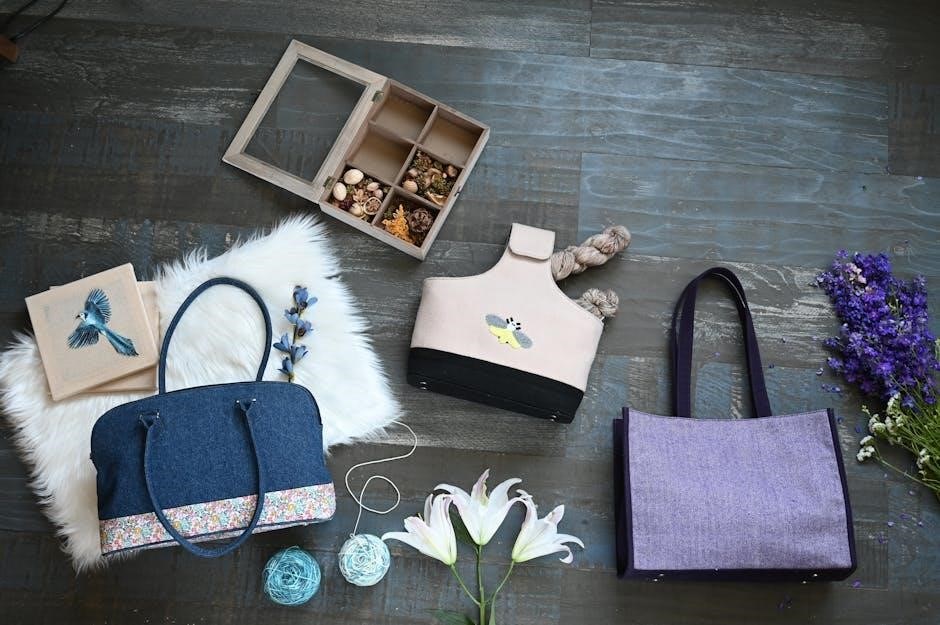
Finding a free hobo bag pattern PDF is easy! Explore sites like So Sew Easy, Mood Fabrics, and Pinterest for downloadable designs and tutorials․
Where to Find Free Hobo Bag Patterns (PDF)
Embarking on your hobo bag sewing journey doesn’t require a hefty investment! Numerous online resources offer free hobo bag patterns in PDF format․ A fantastic starting point is So Sew Easy, consistently providing well-documented and beginner-friendly patterns․ Mood Fabrics, known for its high-quality materials, also occasionally releases free bag patterns, including hobo styles․

Pinterest is a treasure trove; searching “free hobo bag pattern PDF” yields a vast collection of links to blogs and websites․ Be sure to carefully review the pattern instructions and skill level required before downloading․ AllFreeSewing․com aggregates free sewing projects, often including various bag designs․ Don’t overlook DIY Sewing Blog and similar crafting sites – they frequently feature downloadable patterns․ Remember to always respect the designer’s copyright and terms of use when utilizing free patterns!
Troubleshooting Common Sewing Issues
When working with a free hobo bag pattern PDF, encountering challenges is normal․ A frequent issue is fabric slippage, especially with softer materials; use clips instead of pins! Difficulty attaching the handles often arises – ensure precise placement and reinforce stitching multiple times․ If your bag lacks structure, consider using interfacing, even in lighter weights, to provide stability․
Seam puckering can occur; adjust your stitch length and tension․ Always test on scrap fabric first! If the pattern’s instructions are unclear, search online forums or YouTube for tutorials demonstrating similar techniques․ Misinterpreting pattern markings is common; double-check each symbol before cutting․ Finally, remember that a slightly imperfect bag still showcases your creativity – don’t be afraid to embrace minor flaws as part of the handmade charm!

Care and Maintenance of Your Hobo Bag
Whether crafted from a free hobo bag pattern PDF or purchased, proper care extends your bag’s life․ For leather bags, regular conditioning prevents cracking and maintains suppleness; use a leather cleaner and conditioner specifically designed for the type of leather․ Canvas bags benefit from spot cleaning with mild soap and water, avoiding harsh chemicals․
Protect all materials with a fabric protector spray, especially against water and stains․ Avoid overfilling your hobo bag, as this can strain seams and distort the shape․ Store your bag in a dust bag when not in use, shielding it from sunlight and dust․ Regularly empty pockets to prevent unnecessary weight and maintain the bag’s form․ With gentle care, your handmade hobo will remain a stylish companion for years!