
Biblical Pre-Marriage Counseling: A Comprehensive Guide
Preparing for a lifetime commitment requires diligent study of scripture, honest self-reflection, and seeking wise counsel—a foundational guide awaits you.
I. Foundations of a Biblical Marriage
Establishing a firm foundation rooted in biblical truth is paramount before entering the sacred covenant of marriage. This section delves into the core principles that God outlines for a thriving union. We’ll explore the very definition of marriage as presented in scripture – not merely a social construct, but a divine institution ordained by God Himself.
Understanding God’s design for complementarity – the beautiful interplay of masculine and feminine strengths – is crucial for harmonious partnership. Furthermore, we’ll differentiate between a worldly contract and a biblical covenant, emphasizing the unbreakable commitment and unconditional love that should characterize a Christian marriage.
These foundational elements aren’t simply theological concepts; they are the building blocks for a resilient, joyful, and God-honoring marriage. Ignoring these principles sets the stage for future struggles, while embracing them fosters a relationship that reflects Christ’s love for the church.
A. The Biblical Definition of Marriage
The Bible presents marriage as a unique and sacred union, far exceeding a mere legal or social agreement. Genesis 2:24 reveals marriage as a leaving, cleaving, and uniting – a man leaving his father and mother to cleave to his wife, and the two becoming one flesh. This “one flesh” signifies a complete and intimate union, spiritually, emotionally, and physically.
It’s a reflection of the covenant relationship between Christ and the Church (Ephesians 5:22-33), demonstrating a profound depth of commitment and selfless love. Marriage isn’t primarily about personal fulfillment, but about mirroring God’s love and character to the world.
Therefore, a biblical definition emphasizes lifelong commitment, mutual love, fidelity, and a shared purpose centered on glorifying God. Understanding this foundational truth is essential for navigating the challenges and celebrating the joys of marriage.
B. God’s Design for Complementarity
God intentionally created men and women differently, not as competitors, but as complementary partners. This isn’t about superiority or inferiority, but about distinct strengths and qualities that, when combined, create a more complete and beautiful whole. Recognizing and appreciating these differences is crucial for a thriving marriage.
Men and women often approach life with varying perspectives, emotional expressions, and gifting. These differences aren’t flaws, but opportunities for growth, understanding, and mutual support. Complementarity allows for a balanced partnership where each individual’s strengths can offset the other’s weaknesses.
Embracing God’s design means valuing the unique contributions of both husband and wife, fostering an environment of respect, and working together harmoniously towards shared goals. It’s about celebrating ‘otherness’ rather than seeking sameness.
C. Covenant vs. Contract: Understanding the Commitment
A crucial distinction in biblical marriage lies in understanding the difference between a covenant and a contract. While a contract is conditional – based on fulfilling specific terms – a covenant is an unconditional commitment, rooted in faithfulness and grace. Marriage, biblically, is presented as a covenant with God and with each other.
This means vows are not escape clauses, but solemn promises made before God, intended to be kept regardless of circumstances. A covenant emphasizes lifelong commitment, forgiveness, and unwavering loyalty, even when facing difficulties. It’s a bond built on trust and a shared desire to honor God through the relationship.
Shifting from a contractual mindset to a covenantal one requires a profound change in perspective, prioritizing commitment, sacrifice, and enduring love above personal desires or fleeting emotions.
II. Assessing Readiness for Marriage
Before embarking on marriage, honest self-assessment is paramount. This isn’t merely about “falling in love,” but evaluating spiritual, emotional, and practical preparedness. Are you both genuinely following Christ, and how does your faith impact your daily life and future decisions?

Emotional maturity involves self-awareness, the ability to manage emotions constructively, and a willingness to extend grace. Practically, consider financial stability – not wealth, but responsible handling of resources and shared financial goals.
Discussing expectations regarding careers, family, and lifestyle is vital. Are you aligned on core values? Addressing potential areas of conflict before saying “I do” builds a stronger foundation for a lasting, God-honoring marriage.
A. Spiritual Maturity: Individual Faith Journeys
A strong marriage is rooted in the individual faith of each partner. This isn’t about perfection, but a genuine, growing relationship with Jesus Christ. Assess your personal walk – is it characterized by consistent prayer, Bible study, and obedience to God’s Word?
Consider how your faith influences your character, values, and decision-making. Are you both committed to prioritizing God in your lives, even amidst the challenges of marriage? Discuss your spiritual gifts and how you envision using them together to serve Him.
Honest dialogue about past struggles and current spiritual disciplines is crucial. A shared desire for spiritual growth will strengthen your bond and equip you to navigate life’s journey together, grounded in faith.
B. Emotional Readiness: Self-Awareness & Regulation
Before uniting your lives, understand your own emotional landscape. Self-awareness involves recognizing your triggers, patterns, and how you typically respond to stress or conflict. What are your core emotional needs, and how can you communicate them healthily?

Equally important is emotional regulation – the ability to manage your emotions in a constructive way, rather than reacting impulsively. Explore past hurts and unresolved trauma; these can significantly impact your marital interactions.
Discuss your emotional “baggage” openly and honestly. Are you prepared to offer grace and forgiveness, and to receive it in return? A foundation of emotional maturity fosters empathy, understanding, and a safe space for vulnerability.
C. Practical Readiness: Financial Stability & Life Goals
Beyond emotional and spiritual preparation, practical considerations are vital. Discuss your current financial situations openly – debts, savings, income, and spending habits. Create a preliminary budget together, outlining shared expenses and individual financial responsibilities.
Financial disagreements are a leading cause of marital stress; proactive planning minimizes potential conflict. Furthermore, align your life goals. Where do you envision yourselves in five, ten, or twenty years? Do you share similar aspirations regarding career, family, location, and lifestyle?
Compromise and mutual support are key. Ensure both partners feel valued and that their goals are considered within the context of the marriage.
III. Communication & Conflict Resolution
Effective communication forms the bedrock of a thriving marriage. This isn’t merely about talking at each other, but truly hearing and understanding your partner’s perspective. Practice active listening – giving your full attention, paraphrasing to confirm understanding, and withholding judgment.

Biblical principles emphasize speaking truth in love (Ephesians 4:15). Learn to express your needs and concerns respectfully, avoiding accusatory language or harsh tones. Conflict is inevitable; it’s how you resolve it that matters. Focus on addressing the issue, not attacking the person.
Cultivate forgiveness and a willingness to reconcile, mirroring Christ’s forgiveness of us. A commitment to healthy communication builds trust and intimacy.
A; Active Listening: Hearing Beyond the Words
Truly hearing your partner requires more than just silence while they speak. Active listening is a deliberate practice of focusing intently, demonstrating empathy, and seeking clarification. It involves non-verbal cues like maintaining eye contact and nodding to show engagement.
Paraphrase what you’ve heard to ensure accurate understanding – “So, what I’m hearing is…” – and ask open-ended questions to encourage further elaboration. Resist the urge to interrupt or formulate your response while your partner is still sharing.
Seek to understand their emotions behind the words, recognizing that feelings often drive behavior. Put aside your own agenda and genuinely try to see things from their viewpoint. This builds trust and fosters deeper connection.
B. Biblical Principles of Communication (Ephesians 4:29)
Ephesians 4:29 instructs us to let no corrupting talk come out of our mouths, but only such as is good for building up others. This principle is paramount in marriage. Words have power – to encourage, to wound, or to destroy.
Avoid harshness, sarcasm, and negativity. Instead, focus on speaking truth in love (Ephesians 4:15). Consider the impact of your words before you utter them. Are they helpful, kind, and constructive? Practice edifying your partner, celebrating their strengths, and offering gentle correction when needed.
Communication should be characterized by grace and humility. Be quick to listen, slow to speak, and slow to become angry (James 1:19). Pray for wisdom and discernment in your speech, seeking to reflect Christ’s love in every interaction.

C. Healthy Conflict Resolution: Forgiveness & Reconciliation
Conflict is inevitable in any relationship, but how you handle it defines the health of your marriage. Biblical conflict resolution centers on forgiveness, mirroring God’s forgiveness of us. Holding onto resentment poisons the relationship and hinders intimacy.
Practice extending grace and seeking reconciliation. This requires humility – acknowledging your own part in the conflict and being willing to apologize. Matthew 18:15-17 provides a pattern for addressing offenses: go to your spouse directly, with a humble spirit.

Forgiveness isn’t simply forgetting; it’s a conscious decision to release bitterness and extend love. Reconciliation involves restoring the broken connection and rebuilding trust. Pray together, seeking God’s guidance and healing throughout the process.
IV. Roles & Responsibilities in Marriage
Understanding biblical roles isn’t about power dynamics, but about fulfilling God’s design for unity and mutual flourishing. Scripture outlines distinct, yet complementary, roles for husbands and wives, fostering a harmonious partnership. This isn’t about limitation, but liberation into purposeful living.
Husbands are called to sacrificial leadership, loving their wives as Christ loved the church (Ephesians 5:25). Wives are called to respectful support and encouragement, valuing their husbands’ leadership. These roles aren’t rigid, but flexible, guided by love and wisdom.

Shared responsibilities, like household management and finances, require open communication and teamwork. Discuss expectations, divide tasks equitably, and prioritize collaboration. A unified front strengthens the marriage and reflects God’s order.
A. Biblical Manhood & Womanhood: Defining Roles
Biblical manhood isn’t defined by cultural norms, but by Christ-like character: humility, selflessness, and courageous responsibility. A biblical man leads his family with love, protecting and providing for their needs, mirroring Christ’s care for the church (Ephesians 5:25-33).
Similarly, biblical womanhood isn’t about subservience, but strength, dignity, and a heart focused on nurturing and supporting her family. She embodies wisdom, grace, and a quiet spirit (Proverbs 31:10-31), contributing uniquely to the marriage.
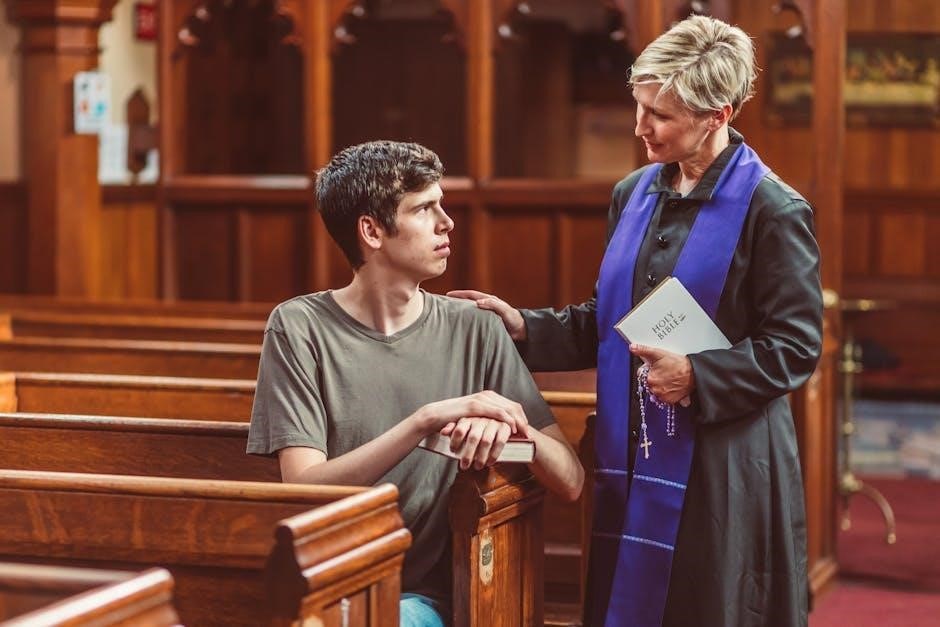
These roles aren’t hierarchical, but harmonious. They are designed to complement each other, creating a strong and unified partnership. Understanding these distinctions, rooted in God’s creation, is crucial for a thriving marriage.
B. Headship & Submission: Mutual Respect & Service
Biblical headship isn’t domination, but loving leadership modeled after Christ’s sacrifice. The husband is called to prioritize his wife’s needs, protect her, and guide the family with wisdom and humility (Ephesians 5:25). This isn’t about control, but selfless service.
Wife’s submission isn’t inferiority, but a willing response of respect and trust towards her husband’s loving leadership (Ephesians 5:22). It’s a partnership built on mutual honor and valuing each other’s strengths.
Crucially, this dynamic requires constant communication, vulnerability, and a shared commitment to serving one another. It’s a dance of mutual respect, where both partners prioritize the other’s well-being and growth, reflecting Christ’s relationship with the church.
C. Shared Responsibilities: Household Management & Finances

A harmonious marriage thrives when household duties and financial decisions are approached as a team effort. While individual strengths may lead to differing contributions, both partners should actively participate in maintaining their home and managing resources.
Open communication about finances is paramount. Creating a budget together, discussing spending habits, and establishing shared financial goals fosters trust and prevents conflict. This includes transparency regarding debts and future financial planning.
Household chores shouldn’t be a source of resentment. Discussing expectations, dividing tasks fairly (considering work schedules and abilities), and offering help willingly demonstrates love and respect. Remember, a shared workload strengthens the bond and creates a peaceful home environment.
V. Intimacy & Sexuality in Marriage
God designed intimacy within marriage as a beautiful expression of love, unity, and procreation. It’s far more than just physical; it encompasses emotional, spiritual, and intellectual connection.
Biblical sexuality is reserved for the covenant of marriage, protecting it as a sacred bond. Open and honest communication about desires, boundaries, and expectations is crucial. Couples should discuss their understanding of intimacy and prioritize mutual pleasure and respect.
Prioritizing emotional intimacy builds a strong foundation for physical intimacy. Regularly expressing affection, spending quality time together, and nurturing vulnerability deepens the connection. Remember, intimacy is a gift to be cherished and cultivated throughout the marriage.
A. God’s Gift of Sexuality: A Sacred Bond
Sexuality, as created by God, is inherently good and a beautiful expression of intimacy within the confines of marriage. Song of Solomon vividly portrays the passionate and joyful nature of marital love, demonstrating God’s intention for couples to find pleasure in one another.
However, Scripture also emphasizes the sacredness of this gift. It’s not to be treated casually or selfishly, but with reverence and respect for one’s spouse. Premarital sexual activity violates God’s design and can create emotional and spiritual wounds.
Understanding sexuality as a gift necessitates open communication, mutual consent, and a commitment to prioritizing your partner’s needs. It’s a powerful tool for bonding and expressing love, meant to strengthen the marital covenant.
B. Physical Intimacy: Expression of Love & Connection
Within the marriage covenant, physical intimacy becomes a powerful language of love, a means of deepening connection, and a source of profound joy. It’s far more than just a physical act; it’s a holistic expression of vulnerability, trust, and affection.
Scripture doesn’t shy away from the importance of sexual fulfillment within marriage (1 Corinthians 7:3-5). It acknowledges the natural desires God has placed within us and encourages couples to meet each other’s needs.
However, intimacy isn’t solely about sexual intercourse. It encompasses all forms of physical touch – holding hands, embracing, kissing – that communicate love and closeness. Prioritizing these expressions fosters emotional intimacy and strengthens the marital bond, building a lasting connection.
C. Boundaries & Purity: Protecting the Marriage Bed
Establishing clear boundaries before marriage is crucial for safeguarding the sacredness of the marital bed, as described in Hebrews 13:4. Purity isn’t simply about abstaining from sexual activity; it’s about cultivating a heart attitude of reverence and respect for your future spouse.
This includes emotional purity – avoiding emotional intimacy with others that could compromise your commitment. It also means setting physical boundaries, resisting temptation, and guarding against anything that could lead to impurity.
Discussing expectations regarding modesty, social media interactions, and alone time with members of the opposite sex is vital. A proactive approach to purity demonstrates honor towards God and your future partner, building a foundation of trust and faithfulness.
VI. Financial Stewardship & Planning
Biblical financial stewardship isn’t about restriction, but responsible management of resources God provides – recognizing He owns everything (Psalm 24:1). Pre-marriage counseling should address financial transparency; openly discuss debts, income, spending habits, and financial goals.
Creating a joint budget isn’t merely practical, it’s a spiritual discipline reflecting unity and shared vision. Discuss saving strategies, approaches to large purchases, and how you’ll handle potential financial disagreements.
Long-term planning, including retirement and potential family expenses, demonstrates foresight and commitment. Avoiding debt, practicing generosity, and seeking wise counsel are hallmarks of biblical financial planning, laying a secure foundation for your future together.
A. Biblical Principles of Financial Management
The Bible consistently emphasizes stewardship – managing God’s resources wisely (Luke 16:10-12). This extends beyond simply avoiding debt; it’s about a heart attitude of gratitude and recognizing everything belongs to Him.

Proverbs 21:20 highlights the importance of planning and diligence, while avoiding get-rich-quick schemes. Contentment (Philippians 4:11-13) is crucial, resisting the temptation to compare yourselves to others. Tithing – returning the first 10% to God – demonstrates trust and acknowledges His provision.
Furthermore, generosity (2 Corinthians 9:6-8) isn’t limited to tithing; it encompasses sacrificial giving to those in need. Biblical financial management isn’t legalistic, but a pathway to freedom, peace, and honoring God with your finances.
B. Budgeting & Debt Reduction: A Shared Vision
Creating a joint budget is paramount before marriage, fostering transparency and unity (Proverbs 22:3). Discuss income, expenses, and financial goals openly, establishing priorities aligned with biblical principles.
Debt, particularly high-interest debt, hinders financial freedom and can strain a marriage. Develop a realistic debt reduction plan – the “snowball” or “avalanche” method – committing to consistent progress. Prioritize needs over wants, and practice mindful spending.
Regularly review the budget together, adjusting as life changes occur. This shared responsibility builds trust and accountability. Remember, budgeting isn’t about restriction, but empowerment – enabling you to pursue God’s calling and build a secure future together.
C. Long-Term Financial Goals: Planning for the Future
Beyond debt reduction, envision your financial future as a couple, aligning goals with biblical stewardship (Luke 16:10-12). Discuss major purchases like a home, vehicles, and education for future children.
Prioritize saving and investing, considering options like retirement accounts and mutual funds. Establish an emergency fund to cushion against unexpected expenses – ideally 3-6 months of living costs. Discuss charitable giving, reflecting a heart of generosity.
Regularly revisit these long-term goals, ensuring they remain relevant and achievable. Seek professional financial advice if needed. Proactive planning demonstrates wisdom and a commitment to providing for each other and future generations, honoring God with your resources.
VII. Family of Origin & Potential Issues
Our upbringing profoundly shapes our expectations and behaviors in relationships; understanding these influences is crucial. Explore your family dynamics – communication patterns, conflict resolution styles, and beliefs about marriage – with honesty and vulnerability.
Identify any unhealthy patterns or unresolved issues from your childhood that might impact your marriage. Discuss potential triggers and how to navigate them constructively. Recognize that your spouse’s family of origin will differ, requiring grace and understanding.
Establish healthy boundaries with your families, prioritizing your new marital unit (Genesis 2:24). Learn to respectfully address interference or unhelpful advice. Addressing these issues proactively fosters a stronger, healthier foundation for your marriage.
A. Identifying Patterns from Childhood
Childhood experiences indelibly shape our relational blueprints; recognizing these patterns is paramount. Reflect on your parents’ marriage – what did you admire? What did you wish were different? Consider the communication styles modeled; were disagreements handled healthily, or with avoidance or aggression?
Examine your own emotional responses to conflict. Do you shut down, become overly reactive, or struggle to express your needs? These reactions often stem from learned behaviors. Identify any core beliefs about love, commitment, and relationships formed during your formative years.
Acknowledging these patterns isn’t about blaming parents, but gaining self-awareness. Understanding your “emotional baggage” allows you to address it proactively and prevent repeating unhealthy cycles in your marriage.
B. Addressing Unresolved Issues & Baggage
Entering marriage with unresolved emotional wounds is akin to building a house on a shaky foundation. Prior to vows, honestly confront past hurts – betrayals, disappointments, or family conflicts. Ignoring these issues won’t make them disappear; they’ll likely resurface, impacting your marital relationship.
Biblical counseling provides a safe space to process these experiences through the lens of forgiveness and grace. Seek to understand the root causes of your emotional responses and how they might manifest in marriage.
This isn’t a quick fix, but a journey of healing. Confession, repentance, and seeking restoration are vital steps. Remember, bringing your “baggage” into the light allows God to transform it into strength and wisdom.
C. Establishing Healthy Boundaries with Families
Marriage necessitates a shift in primary loyalty – from your family of origin to your new spouse. While honoring parents is biblical (Ephesians 6:2), allowing family interference can severely damage your marriage. Pre-marriage counseling helps define these boundaries proactively.
Discuss expectations regarding holidays, finances, and decision-making. Agree on a united front when dealing with family input. Learn to respectfully decline requests that compromise your marital unity.
Healthy boundaries aren’t about cutting off family, but about protecting the sanctity of your marriage. Communicate your boundaries clearly and consistently, and support each other in upholding them. Remember, a strong “us” requires a defined space separate from outside influences.
VIII. Resources & Continued Growth
Building a lasting marriage doesn’t end at the altar; it requires ongoing effort and a commitment to growth. Numerous resources can support you on this journey. Explore books like “Preparing for Marriage” by Dennis Rainey or “Sacred Marriage” by Gary Thomas for biblical insights.
Seek out a mentor couple who exemplify a healthy, Christ-centered marriage; Join a small group or marriage ministry for continued support and accountability. Don’t hesitate to revisit counseling as needed – it’s a sign of strength, not weakness.
Prioritize regular spiritual disciplines, individually and as a couple. Remember, a thriving marriage reflects a thriving relationship with God. Invest in your growth, and your marriage will flourish.
A. Recommended Books & Studies
Strengthening your foundation through focused study is paramount. “Preparing for Marriage” by Dennis Rainey and Mary Ellen Biederwolf offers practical guidance rooted in biblical principles. “Sacred Marriage” by Gary Thomas challenges conventional views, emphasizing God’s purpose in union.
For deeper theological understanding, consider “This Momentary Marriage” by John Piper, exploring the eternal significance of earthly relationships. Studies like “Pre-Marital Counseling Workbook” by David & Jan Stoop provide interactive exercises for couples.
Explore resources from organizations like FamilyLife and Focus on the Family, offering articles, podcasts, and online courses. Remember to choose materials aligned with your theological convictions and seek guidance from your counselor.
B. Mentorship & Support Networks
Navigating pre-marriage isn’t a solitary journey; seek experienced guidance. Identify a mature, godly couple who exemplify a thriving marriage and are willing to invest in you. Regular meetings with a mentor pair provide accountability, wisdom, and a safe space to discuss challenges.
Connect with a small group or pre-marriage class at your church, fostering fellowship and shared learning. Surround yourselves with friends who prioritize faith and healthy relationships, offering encouragement and prayer support.
Don’t underestimate the power of intergenerational connections; learning from those who’ve walked the path before you is invaluable. A strong support network will sustain you through preparation and beyond.
C. The Importance of Ongoing Counseling & Spiritual Growth
Marriage is a dynamic relationship requiring continuous nurturing and refinement. Pre-marital counseling isn’t a one-time event, but a springboard for lifelong growth. Consider periodic check-ins with a counselor, even after the wedding, to address emerging challenges and strengthen your bond.
Prioritize individual and shared spiritual disciplines – prayer, Bible study, and worship – fostering a deeper connection with God and each other. Actively seek opportunities for personal growth, addressing weaknesses and cultivating virtues.
Remember, a thriving marriage reflects a thriving relationship with Christ; Invest in your spiritual lives, and your marriage will flourish as a testament to His grace.