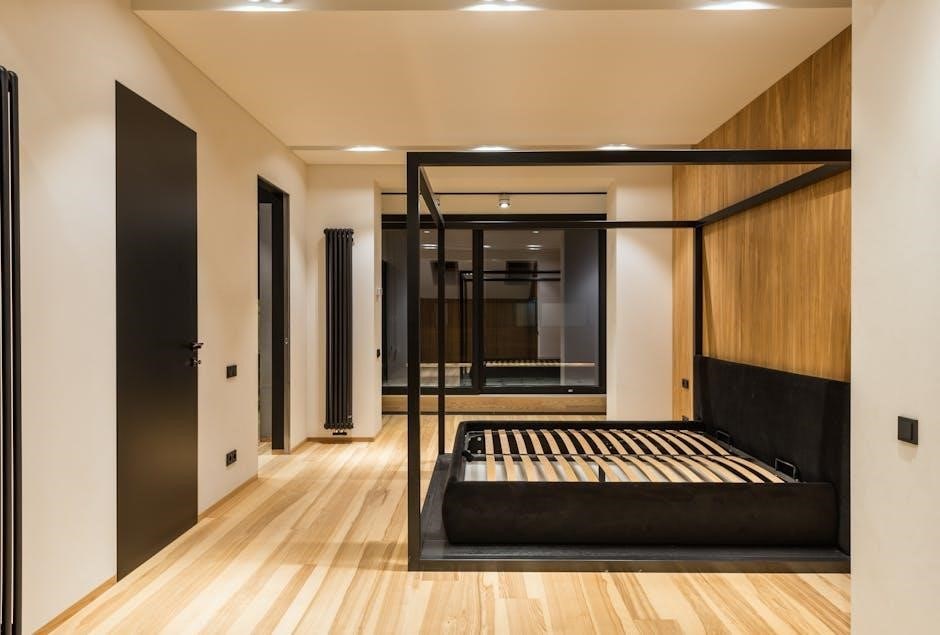
Radiant floor heating offers a comfortable, efficient way to warm spaces․ Utilizing floors as heat emitters, systems like RadiAnt DICOM Viewer, enhance thermal comfort․
Radiant floor heating represents a significant advancement in home comfort technology, offering a more even and efficient heating solution compared to traditional forced-air systems․ Unlike conventional methods that warm air and distribute it, radiant systems directly warm surfaces – in this case, the floor – which then radiates heat upwards, creating a comfortable environment․ This approach mimics the natural warmth of the sun, providing a gentle and consistent heat distribution throughout the room․
Modern systems, like those utilizing software such as RadiAnt DICOM Viewer for precise control in medical imaging, demonstrate the power of advanced technology in optimizing performance․ Radiant floor heating comes in two primary forms: hydronic and electric․ Hydronic systems circulate heated water through tubing beneath the floor, while electric systems use electric cables or mats․ Both offer benefits, and the choice depends on factors like installation costs, energy efficiency goals, and existing infrastructure․ Understanding these fundamentals is crucial for a successful installation and enjoying the benefits of radiant heat․
Benefits of Radiant Floor Heating
Radiant floor heating delivers numerous advantages over traditional heating methods․ Primarily, it provides superior comfort due to the even heat distribution, eliminating cold spots and drafts․ This system warms objects and people directly, rather than the air, resulting in a more natural and cozy feeling․ Furthermore, radiant heat is exceptionally energy-efficient, as it requires lower water temperatures (in hydronic systems) or operates directly with electricity, minimizing energy waste․
Another key benefit is improved indoor air quality․ Unlike forced-air systems that circulate dust and allergens, radiant heating remains largely invisible and doesn’t disrupt air particles․ Similar to the precise imaging offered by tools like RadiAnt DICOM Viewer, radiant heat offers a refined and controlled environment․ It’s also a quiet system, lacking the noise associated with fans or vents․ Finally, radiant floor heating offers design flexibility, as it’s hidden beneath the floor covering, freeing up wall space and enhancing aesthetics․
Types of Radiant Floor Heating Systems
Radiant floor heating systems broadly fall into two categories: hydronic and electric․ Hydronic radiant floor heating circulates heated water through tubing installed beneath the floor․ This is often considered more efficient for larger areas and can integrate with various heat sources like boilers or heat pumps․ It requires more complex installation, including a manifold and pump system, but offers long-term cost savings․
Electric radiant floor heating, conversely, utilizes electric heating cables or mats embedded in the floor․ It’s simpler to install, making it ideal for smaller spaces or retrofits․ While generally more expensive to operate than hydronic systems, electric systems offer precise temperature control and are easier to zone․ Much like the detailed image analysis provided by RadiAnt DICOM Viewer, each system type offers unique advantages depending on specific needs and project scope․
Hydronic Radiant Floor Heating
Hydronic radiant floor heating employs a network of tubing, typically PEX or PERT, installed beneath the floor surface to circulate heated water․ A boiler or heat pump heats the water, which is then pumped through the tubing, radiating warmth upwards․ Manifold design is crucial for balanced distribution, ensuring even heating across zones․
This system excels in larger areas due to its efficiency and compatibility with diverse heat sources․ Installation is more involved, requiring professional expertise for proper tubing layout and connection to the heating source․ Similar to the detailed imaging provided by tools like RadiAnt DICOM Viewer, careful planning and execution are vital for optimal performance․ Proper insulation is key to minimizing heat loss and maximizing efficiency, resulting in comfortable and cost-effective warmth․
Electric Radiant Floor Heating
Electric radiant floor heating utilizes electric heating cables or mats installed under the flooring to generate warmth․ These systems are powered directly by electricity, offering a simpler installation compared to hydronic systems․ Electric mats provide pre-spaced cables embedded in a mesh, simplifying layout, while loose cables offer greater flexibility for custom configurations․

Ideal for smaller areas or supplemental heating, electric systems offer precise temperature control via thermostats․ While generally having higher operating costs than hydronic systems, advancements in cable technology are improving efficiency․ Like the detailed views offered by RadiAnt DICOM Viewer, careful consideration of wattage and coverage area is essential for optimal performance․ Proper subfloor preparation and adherence to electrical codes are crucial for safe and effective operation․

System Design Considerations

Effective radiant floor heating design requires careful heat loss calculations, floor covering compatibility checks, and strategic zoning for optimal comfort and efficiency․
Heat Loss Calculations
Accurate heat loss calculations are fundamental to a successful radiant floor heating system design․ These calculations determine the necessary heat output to maintain desired temperatures, considering factors like insulation levels in walls, ceilings, and floors, window efficiency, and climate zone․ A detailed assessment involves quantifying heat transfer through conduction, convection, and radiation․
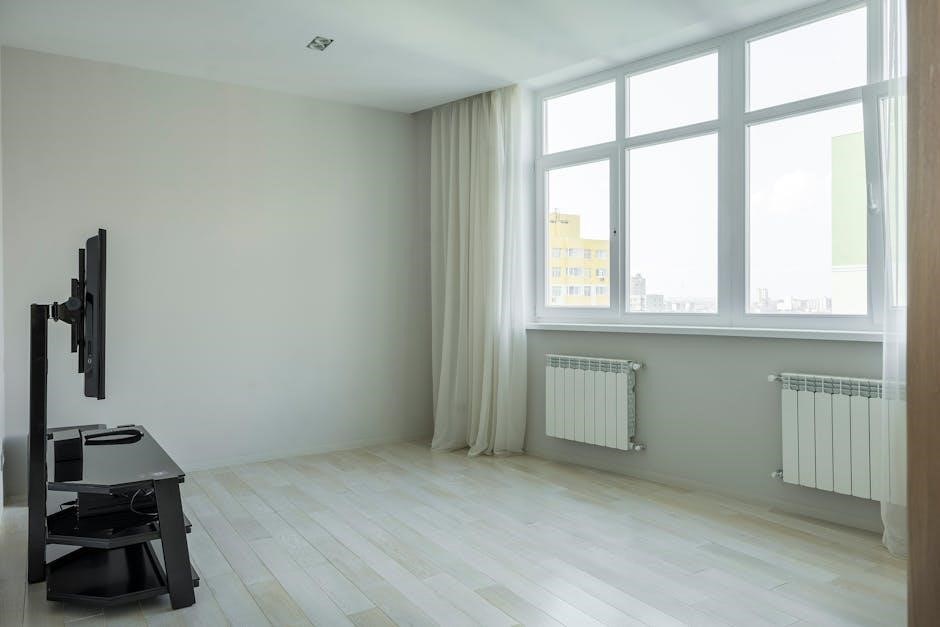
Software tools and manual methods, adhering to industry standards like ACCA Manual J, can be employed․ Ignoring these calculations can lead to undersized systems resulting in insufficient heating or oversized systems causing inefficiency and discomfort․ Precise calculations ensure optimal performance, energy savings, and consistent comfort throughout the heated space․ Proper consideration of building orientation and external shading is also crucial for accurate results․
Floor Covering Compatibility
Selecting appropriate floor coverings is critical for maximizing radiant floor heating efficiency․ Materials with high thermal resistance impede heat transfer, reducing system performance․ Carpets, while comfortable, generally have higher R-values than tile or stone․ Therefore, thinner carpets with dense padding are preferable․
Hardwood floors are compatible, but require careful consideration of moisture content and expansion/contraction․ Engineered wood is often a better choice than solid wood due to its greater stability․ Tile and stone are excellent conductors of heat, making them ideal choices․ Always consult the floor covering manufacturer’s specifications regarding compatibility with radiant heat to avoid warranty issues and ensure optimal system operation․ Proper installation techniques are also essential․
Zoning and Control Systems
Implementing zoning and sophisticated control systems significantly enhances the efficiency and comfort of radiant floor heating․ Dividing a home into zones allows for independent temperature regulation in different areas, optimizing heat distribution based on occupancy and usage patterns․ This prevents unnecessary heating of unoccupied rooms, saving energy and reducing costs․
Modern thermostats, including smart and programmable options, offer precise temperature control and scheduling capabilities․ Manifold design for hydronic systems is crucial for balanced flow distribution to each zone․ Wireless controls and remote access via smartphone apps provide convenient operation and monitoring․ Properly designed zoning and control systems are essential for maximizing the benefits of radiant floor heating․
Thermostat Options
Selecting the appropriate thermostat is vital for optimal radiant floor heating performance․ Basic programmable thermostats allow setting temperature schedules, reducing energy consumption when spaces are unoccupied․ Smart thermostats offer advanced features like remote control via smartphone, learning capabilities that adapt to occupancy patterns, and integration with smart home systems․
Low-voltage thermostats are commonly used with hydronic systems, while line-voltage models are suitable for electric systems․ Floor sensors provide accurate temperature readings directly from the heated surface, ensuring consistent comfort․ Consider features like geofencing, which adjusts temperatures based on proximity to the home, and energy usage reports for informed control․ Choosing the right thermostat enhances both comfort and efficiency․
Manifold Design for Hydronic Systems
A properly designed manifold is crucial for efficient hydronic radiant floor heating․ The manifold distributes heated water from the boiler to individual loops of tubing within the floor and returns cooled water back․ Key considerations include loop length, flow rate, and pressure drop․ Manifolds should incorporate balancing valves to ensure even heat distribution across all zones․
Materials like stainless steel or high-density polyethylene (HDPE) are common choices for durability․ Supply and return connections, air vents, and fill/drain ports are essential components․ Proper insulation of the manifold and associated piping minimizes heat loss․ Accurate sizing and layout, considering future expansion, are vital for long-term system performance and reliability․
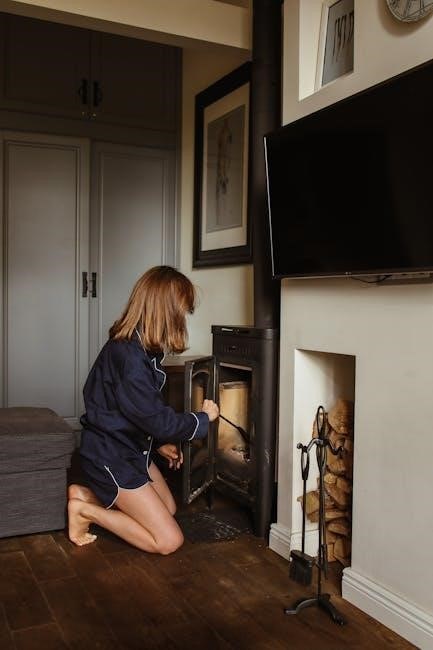
Installation Process
Radiant floor heating installation involves careful subfloor preparation, precise tubing or cable placement, and thorough pressure testing for hydronic systems, ensuring optimal performance․
Subfloor Preparation
Proper subfloor preparation is crucial for successful radiant floor heating installation․ The subfloor must be clean, level, and structurally sound to support the system’s weight and ensure efficient heat transfer․ Any existing flooring, adhesives, or debris must be completely removed․
Inspect the subfloor for any damage, such as cracks or unevenness, and repair them accordingly․ A self-leveling compound may be necessary to create a perfectly flat surface, especially for hydronic systems where consistent tubing support is vital․
Ensure the subfloor is dry, as moisture can compromise the system’s performance and lead to mold growth․ A moisture barrier may be required depending on the subfloor material and local building codes․ Finally, consider the thermal resistance of the subfloor material, as it impacts overall system efficiency․
Hydronic Tubing/Electric Cable Installation
Hydronic tubing installation requires careful planning and execution․ Tubing should be laid out according to the system design, maintaining consistent spacing to ensure even heat distribution․ Secure the tubing using appropriate clips or fastening systems, avoiding sharp bends that could restrict flow․ For electric cable installation, follow the manufacturer’s guidelines precisely․
Ensure the cable or tubing doesn’t cross or overlap, as this can create hot spots or uneven heating․ Embed the electric cable within a layer of thin-set mortar or install it within pre-formed mats for optimal performance․
Protect the tubing or cable from damage during subsequent flooring installation․ Thoroughly document the layout for future maintenance or repairs․ Proper installation is key to maximizing efficiency and longevity․
Pressure Testing (Hydronic Systems)
Pressure testing is a critical step in hydronic radiant floor heating installation, verifying the integrity of the tubing network before concrete pouring or floor covering installation․ After completing the tubing layout, pressurize the system with water to a level exceeding the maximum operating pressure, typically around 100-150 PSI․
Carefully inspect all connections, including manifolds, fittings, and tubing runs, for any signs of leaks․ Utilize a pressure gauge to monitor the system and ensure the pressure remains stable for at least 24 hours․
Address any detected leaks immediately by repairing or replacing the affected components․ Document the test pressure and duration, along with any observed issues and their resolutions․ Successful pressure testing guarantees a leak-free and efficient heating system․
Insulation Requirements
Proper insulation is paramount for maximizing the efficiency of a radiant floor heating system, minimizing heat loss downwards and ensuring optimal upward heat transfer․ Below the tubing or cables, a layer of rigid foam insulation, such as extruded polystyrene (XPS) or polyisocyanurate, is essential․
The R-value of the insulation should be determined by climate zone and local building codes, generally ranging from R-5 to R-10 or higher․ Consider adding a reflective foil facing to the insulation to further reduce radiant heat loss․
Insulate the perimeter of the slab to prevent thermal bridging․ Adequate insulation significantly reduces operating costs and enhances the overall performance of the radiant heating system․

Materials and Components
Radiant floor heating relies on key materials like PEX or PERT tubing, electric cables, and specialized underlayments for efficient heat distribution and performance․
Hydronic Tubing Options (PEX, PERT)
Hydronic radiant floor heating systems utilize tubing to circulate heated water under the floor․ Two primary materials dominate this application: cross-linked polyethylene (PEX) and polyethylene of raised temperature resistance (PERT)․ PEX is renowned for its flexibility, durability, and resistance to kinking, making installation easier, particularly in complex layouts․ It’s also highly resistant to corrosion and scaling, ensuring a long lifespan․
PERT, while similar to PEX, offers enhanced flexibility at lower temperatures and boasts excellent resistance to chlorine․ This makes it a suitable choice for systems utilizing chlorinated water treatments․ Both materials are available in various sizes and configurations to accommodate different heat loss calculations and floor covering requirements․ Choosing between PEX and PERT often depends on specific project needs, water chemistry, and installer preference, but both provide reliable performance in hydronic radiant floor systems․
Electric Heating Cable/Mat Selection
Electric radiant floor heating relies on specialized cables or mats to generate warmth․ Heating cables come in two main types: constant resistance and self-regulating․ Constant resistance cables maintain a consistent heat output, requiring careful control to prevent overheating, while self-regulating cables adjust their output based on temperature, enhancing safety and efficiency․
Heating mats offer a pre-configured cable pattern embedded in a mesh, simplifying installation, particularly for regular room shapes․ When selecting, consider the room’s size, insulation levels, and desired temperature․ Voltage requirements (120V or 240V) also influence the choice․ Ensure the chosen system is compatible with your floor covering and meets local electrical codes․ Proper wattage calculation is crucial for optimal performance and energy efficiency, avoiding under or overheating․
Underlayment Materials
Underlayment plays a critical role in radiant floor heating systems, impacting efficiency and performance․ Selecting the right material minimizes heat loss downwards and protects the heating elements․ Foam underlayments, particularly closed-cell varieties, offer excellent thermal resistance and moisture barriers․ Cork underlayments are a sustainable option, providing good insulation and sound dampening qualities․
However, it’s crucial to verify the underlayment’s thermal resistance (R-value) and compatibility with the chosen heating system – electric or hydronic․ Avoid materials with high thermal resistance if maximizing heat output is a priority․ Consider the floor covering; some require specific underlayment types for proper installation and warranty validity․ Proper installation is vital to prevent air gaps that could reduce efficiency․ Always consult manufacturer guidelines for optimal material selection and installation procedures․
Concrete Slab Considerations
When integrating radiant floor heating within a concrete slab, several factors are crucial for success․ Slab thickness significantly impacts thermal mass and responsiveness; thicker slabs store more heat but react slower․ Proper concrete mix design is essential, incorporating additives to enhance thermal conductivity and reduce cracking․ Reinforcement with wire mesh or rebar minimizes shrinkage cracks that could damage hydronic tubing․
Sub-slab insulation is paramount to direct heat upwards, preventing loss into the ground․ Vapor barriers are also vital to protect against moisture migration․ Ensure adequate curing time before activating the heating system to avoid thermal shock․ Consider the slab’s load-bearing capacity, especially with heavier floor coverings․ Careful planning and execution during the concrete pour are fundamental for a durable and efficient radiant floor system․

Cost Analysis and Efficiency
Radiant floor heating costs vary; hydronic systems generally have higher upfront costs, but electric options offer simpler installation․ Long-term energy efficiency is a key benefit․
Installation Costs Comparison (Hydronic vs․ Electric)
Comparing installation costs between hydronic and electric radiant floor heating reveals significant differences․ Hydronic systems, involving boilers, manifolds, and extensive tubing networks, typically range from $6 to $12 per square foot for installation․ This higher initial investment stems from the complexity of the plumbing and the need for professional expertise․ Electric systems, utilizing heating cables or mats, generally cost between $8 and $15 per square foot, potentially exceeding hydronic costs in smaller areas․
However, electric systems offer a simpler installation process, potentially reducing labor costs․ Factors influencing the overall cost include floor covering type, subfloor preparation, and the size of the heated area․ While electric systems may appear more expensive initially, their ease of installation can offset some of the cost, particularly in retrofit applications․ Careful consideration of these factors is crucial for accurate budgeting and informed decision-making․
Operating Costs and Energy Efficiency
Radiant floor heating boasts excellent energy efficiency due to its lower operating temperatures compared to traditional forced-air systems․ Hydronic systems, leveraging the thermal mass of the floor, distribute heat more evenly, reducing temperature fluctuations and minimizing energy waste․ Operating costs depend heavily on fuel source – natural gas, propane, or electricity – and local utility rates․
Electric systems, while efficient in heat delivery, often have higher electricity costs than gas-fueled hydronic systems․ Zoning capabilities further enhance efficiency, allowing targeted heating of occupied areas․ Proper insulation is paramount, minimizing heat loss and maximizing system performance․ Systems like RadiAnt DICOM Viewer demonstrate efficient resource utilization, mirroring the goal of minimizing energy consumption in radiant heating․ Ultimately, a well-designed and properly maintained radiant floor system offers substantial long-term energy savings․
Long-Term Maintenance and Repair
Radiant floor heating systems generally require minimal long-term maintenance․ Hydronic systems necessitate periodic checks of the boiler, pump, and manifold for leaks or corrosion․ Flushing the system every few years removes sediment buildup, maintaining optimal heat transfer․ Electric systems require occasional inspection of wiring and heating elements․ Like software such as RadiAnt DICOM Viewer needing updates, systems benefit from periodic professional assessments․
Repair costs vary depending on the issue․ Hydronic leaks can be localized and repaired, but extensive damage may require tubing replacement․ Electric cable failures often necessitate replacing the affected section of the mat or cable․ Proper installation and quality components minimize the likelihood of major repairs․ Regular monitoring and prompt attention to minor issues prevent escalation into costly problems, ensuring years of reliable, efficient operation․

Troubleshooting Common Issues
Radiant heat problems include leaks in hydronic systems or electric system failures․ Uneven heating can occur; similar to RadiAnt DICOM Viewer glitches, diagnosis is key․
Hydronic System Leaks
Hydronic radiant floor heating systems, while durable, can experience leaks, often at connections between tubing and manifolds, or due to punctures during installation․ Identifying leaks promptly is crucial to prevent water damage and system inefficiency․ Initial signs may include a drop in system pressure, requiring a refill; Visually inspect accessible tubing runs and manifold connections for moisture or corrosion․
Pressure testing the system – a standard procedure after installation and a vital troubleshooting step – helps pinpoint leak locations․ Specialized leak detection fluids can also be circulated through the system․ Repairing PEX tubing typically involves cutting out the damaged section and using appropriate fittings to reconnect the tubing․ For more significant leaks or damage, professional assistance is recommended․ Similar to ensuring the stability of software like RadiAnt DICOM Viewer, regular inspection and maintenance are essential for long-term hydronic system reliability․
Electric System Failures
Electric radiant floor heating systems, while generally reliable, can experience failures primarily related to the heating cables or the thermostat control․ Common issues include cable burnout, often due to overheating or manufacturing defects․ A sudden lack of heat in a specific zone, coupled with a tripped circuit breaker, suggests a potential cable failure․ Thermostat malfunctions, such as inaccurate temperature readings or failure to activate, are also frequent․
Diagnosing cable failures often requires a multimeter to test for continuity․ Replacing damaged cable sections typically involves carefully removing the floor covering, accessing the cable, and splicing in a new section using approved connectors․ Like maintaining the performance of tools such as RadiAnt DICOM Viewer, regular thermostat calibration and ensuring proper circuit protection are vital preventative measures․ Professional electrical expertise is crucial for safe and effective repairs․
Uneven Heating Problems
Uneven heating in radiant floor systems is a common complaint, often stemming from several factors․ Inconsistent heat distribution can arise from variations in cable or tubing spacing during installation․ Areas with thicker flooring materials, like tile over concrete, may heat slower than those with thinner coverings․ Improperly balanced hydronic manifolds, or zones with significantly different heat loss calculations, also contribute to temperature discrepancies․
Addressing this requires a systematic approach․ Verify thermostat settings and ensure accurate temperature sensors․ For hydronic systems, carefully balance the manifold to distribute flow evenly․ For electric systems, check cable layout and consider adding supplemental heat in colder zones․ Similar to optimizing performance in software like RadiAnt DICOM Viewer, fine-tuning the system is key․ Thorough heat loss calculations and proper insulation are crucial preventative measures․