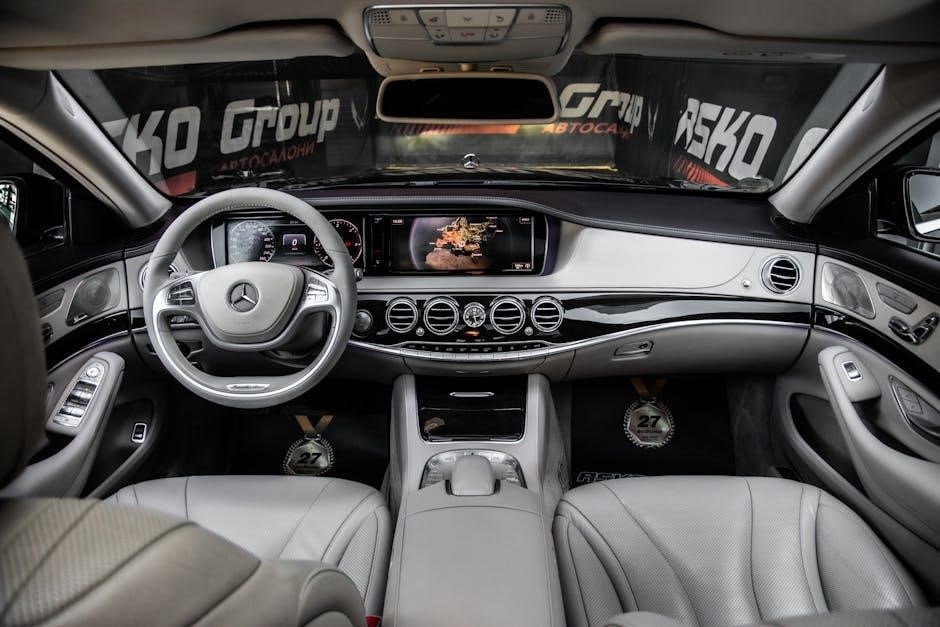
Mercedes-Benz historically offered manual transmissions, though practicality concerns – especially with foot-operated park brakes – led to decreased availability. These gearboxes, when functioning correctly, are generally considered robust and reliable, providing a direct driving experience.
Historical Context of Manual Gearboxes in Mercedes
Historically, Mercedes-Benz vehicles frequently featured manual transmissions, offering drivers a connected and engaging driving experience. However, a shift occurred over time, influenced by evolving driver preferences and technological advancements. Early Mercedes models, like the W123 and W124, commonly included manual options, prized for their durability.
A key factor in the decline of manual transmissions within the Mercedes lineup was the introduction and increasing popularity of automatic gearboxes, alongside the unique challenge presented by Mercedes’ foot-operated park brake system. This system, while effective, proved difficult for some drivers to master on inclines, leading to a perception that manuals were less convenient. The perception that manual gearboxes weren’t as refined as their automatic counterparts also played a role.
Why Choose a Manual Transmission Mercedes?
Opting for a manual transmission Mercedes offers a uniquely engaging driving experience, providing greater control over gear selection and engine RPM. Enthusiasts appreciate the direct connection to the vehicle and the increased sense of involvement. Despite being less common, manual Mercedes models often command a premium among collectors and driving purists.
Furthermore, a manual gearbox can potentially offer improved fuel efficiency compared to an automatic, although modern automatics are closing the gap. While the foot-operated park brake presents a learning curve, mastering it adds to the distinctive Mercedes driving character. For those seeking a more visceral and rewarding driving experience, a manual Mercedes remains an appealing choice.

Common Issues with Mercedes-Benz Manual Transmissions
Reported problems include difficulty shifting, refusal to enter specific gears (like 5th, 6th, or reverse), a loose shifter feel, and binding within the shift linkage itself.
Difficulty Shifting Gears
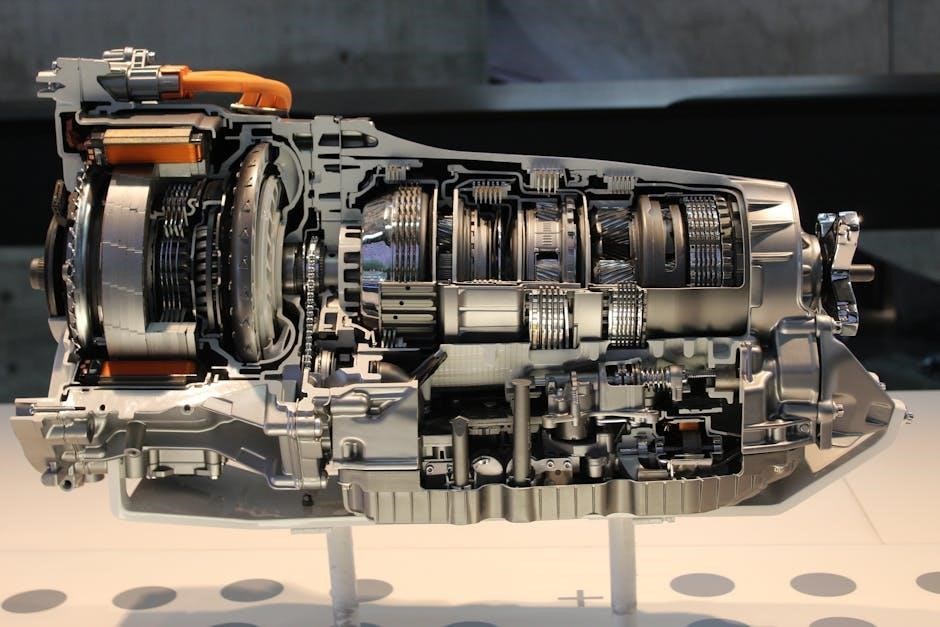
Experiencing trouble selecting gears in your Mercedes-Benz manual transmission can stem from several sources. A common culprit is wear and tear within the shift linkage, causing imprecise engagement. Internal transmission issues, such as worn synchronizers, also contribute to this problem, making smooth gear changes elusive.
Clutch issues, including insufficient disengagement, can mimic shifting difficulties. Furthermore, low transmission fluid (though less common in manuals) or a failing master/slave cylinder can impede the shifting process. Addressing this promptly prevents further damage and restores a pleasurable driving experience. Proper diagnosis is crucial for effective repair.
Refusal to Enter Specific Gears (5th, 6th, Reverse)
A frustrating symptom in Mercedes-Benz manual transmissions is the inability to engage certain gears, particularly 5th, 6th, or reverse. This often indicates internal transmission damage, specifically worn or broken synchronizers responsible for matching gear speeds. A loose shifter feel frequently accompanies this issue, suggesting linkage problems exacerbate the situation.
The 2004 C180 Kompressor reported issues with these gears, highlighting a potential model-specific vulnerability. Ignoring this problem can lead to complete transmission failure. Thorough inspection of the shift linkage and internal components is vital for accurate diagnosis and repair, preventing further complications.
Loose Shifter Feel
A noticeable looseness in the shifter’s movement is a common complaint with Mercedes-Benz manual transmissions. This sensation often stems from worn or damaged shift linkage components, including bushings and joints. These parts connect the shifter to the transmission, and their degradation allows excessive play.
The issue can also indicate internal transmission wear, particularly concerning synchronizers. A loose feel frequently accompanies the refusal to enter specific gears, as reported in C-Class models. Addressing this promptly prevents further damage and maintains precise gear selection. Regular inspection of the linkage is crucial for early detection.
Binding of the Shift Linkage
Shift linkage binding presents as difficulty or resistance when attempting to move the gear lever. This issue often arises from corrosion, lack of lubrication, or physical damage to the linkage components. The linkage, responsible for transmitting driver input to the transmission, can become stiff, hindering smooth gear changes.
External factors, like road debris or impacts, can contribute to binding. A restricted linkage not only makes shifting challenging but also puts stress on the internal transmission parts. Thorough inspection and lubrication of all linkage points are essential. Ignoring this can lead to more significant, costly repairs.
Specific Models and Their Manual Transmission Concerns
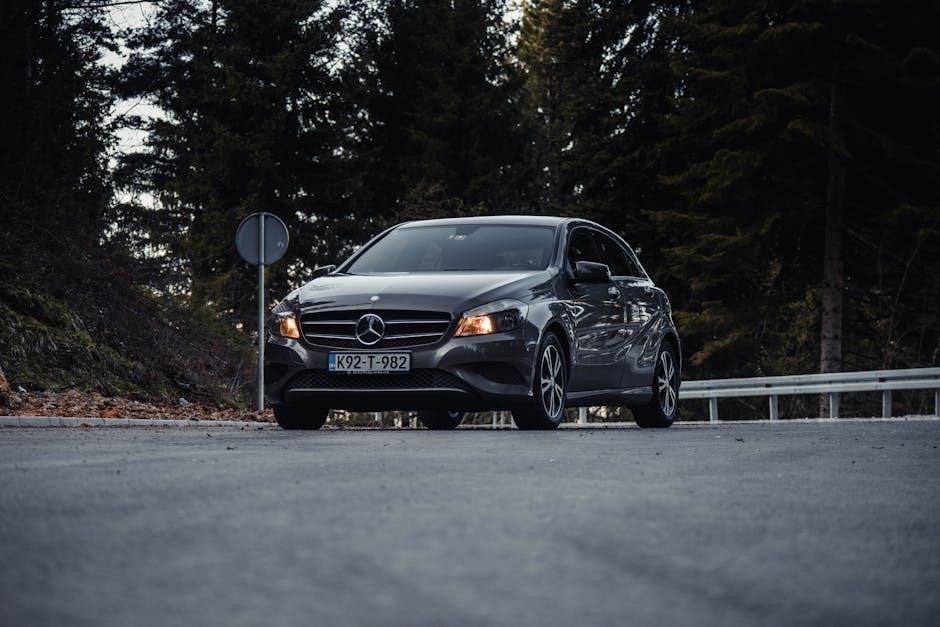
Certain Mercedes-Benz models, like the C-Class (W203/W204), exhibit issues such as refusing to enter gears or a loose shifter feel. Sprinter vans have fewer reported problems.
C-Class (W204, W203) Manual Transmission Problems
Owners of Mercedes-Benz C-Class models (W204 and W203) equipped with manual transmissions frequently report encountering specific issues. A common complaint involves the sudden inability to engage 5th, 6th, or reverse gear. This often accompanies a sensation of looseness in the gear shifter itself, indicating potential internal wear or linkage problems.
Despite Mercedes-Benz manual gearboxes generally being considered durable, these C-Class models seem prone to these failures. It’s crucial to address these symptoms promptly, avoiding continued driving to prevent further damage. Professional diagnosis is recommended to determine the root cause and appropriate repair strategy.
Sprinter Van Manual Transmission Issues (Less Common)
Manual transmission problems in Mercedes-Benz Sprinter vans are reported less frequently compared to passenger car models like the C-Class. However, when issues do arise, they often manifest as sluggish acceleration, particularly noticeable when attempting to climb inclines. Excessive gear slipping is another symptom, indicating potential internal wear within the transmission itself.
These issues can also lead to stalling, especially under load. Because the transmission is vital for proper torque delivery, any malfunction impacts engine performance and can cause premature wear; Regular maintenance and prompt attention to any performance changes are crucial for Sprinter van longevity.
Older Mercedes Models (W123, W124) – Common Wear and Tear
Older Mercedes-Benz models, such as the W123 and W124 series, with manual transmissions, typically exhibit wear and tear related to age and mileage. Common issues include a loose shifter feel, indicating worn bushings or internal linkage components. Difficulty shifting gears, or a refusal to engage specific gears like reverse, 5th, or 6th, are also frequently reported.
These classic vehicles often suffer from binding within the shift linkage, requiring lubrication or component replacement. While generally “bombproof,” these transmissions require diligent maintenance to address normal wear, ensuring continued smooth operation and preventing more significant failures down the road.

Troubleshooting Manual Transmission Problems
Initial steps involve inspecting the shift linkage for binding or looseness, and assessing the clutch system’s functionality. Though manuals lack dipsticks, checking fluid leaks is crucial.
Checking the Shift Linkage
A thorough inspection of the shift linkage is paramount when diagnosing manual transmission issues in Mercedes-Benz vehicles. Begin by visually examining the linkage components – rods, bushings, and joints – for any signs of wear, damage, or corrosion. Pay close attention to the connection points, ensuring they are securely fastened and free from excessive play.
Specifically, look for worn or cracked bushings, as these can contribute to a loose shifter feel and difficulty selecting gears. Gently attempt to move each linkage component by hand; any noticeable looseness indicates a potential problem. Binding within the linkage can also prevent smooth gear changes, so ensure all parts move freely without obstruction. Addressing linkage issues is often a relatively inexpensive repair that can significantly improve shifting performance.
Inspecting the Clutch System
A properly functioning clutch is essential for smooth operation of a Mercedes-Benz manual transmission. Begin by checking the clutch pedal’s travel and feel – it should operate smoothly without feeling spongy or excessively stiff. Inspect the clutch master and slave cylinders for leaks, as hydraulic failure can prevent complete clutch disengagement.
Furthermore, examine the clutch disc for wear or damage, a task often requiring transmission removal. Look for signs of slipping, such as a burning smell or sluggish acceleration. A worn pressure plate can also cause clutch slippage or difficulty shifting. Regular clutch inspection and timely replacement are crucial for preventing transmission damage and maintaining optimal performance.
Fluid Levels (Although Manuals Typically Don’t Have Dipsticks)
Unlike automatic transmissions, most Mercedes-Benz manual gearboxes don’t feature traditional dipsticks for checking fluid levels; However, they do require lubrication. The correct fluid type is critical – consult your owner’s manual or a Mercedes-Benz specialist for specifications. Checking the fluid usually involves removing a fill plug and visually inspecting the level, or using a specialized tool.
Low fluid levels can lead to increased wear and noisy operation. Ensure the fluid is clean and free of contaminants. While infrequent, fluid changes are recommended at specified intervals to maintain optimal gearbox performance and longevity. Ignoring this maintenance can contribute to premature failure.
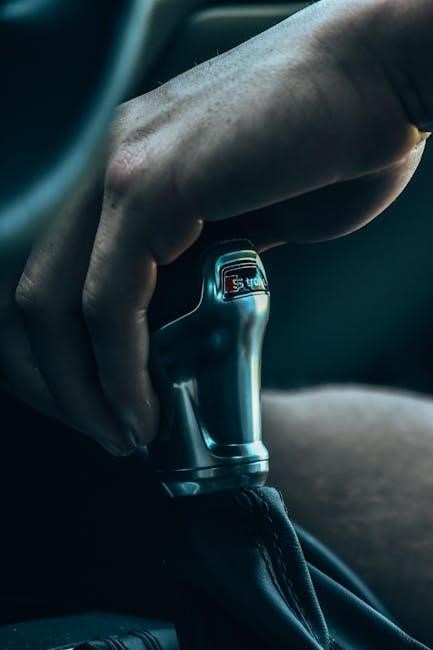
Symptoms of Manual Transmission Failure
Signs of failure include a burning smell, sluggish acceleration, and unusual noises during shifting. These indicate internal damage requiring immediate inspection by a qualified Mercedes-Benz mechanic.
Burning Smell from the Front of the Vehicle
A distinct burning smell emanating from the front of your Mercedes-Benz, particularly after driving, is a critical warning sign. This often indicates overheating within the transmission itself, suggesting significant internal friction and potential damage to the gears or clutch components. Ignoring this symptom can lead to catastrophic failure and substantially higher repair costs.
The heat generated by excessive friction can also scorch the transmission fluid, further exacerbating the problem and reducing its lubricating properties. Promptly seeking a professional inspection from a Mercedes-Benz specialist is crucial to diagnose the root cause and prevent further deterioration. Don’t delay – a burning smell is rarely a benign issue.
Sluggish Acceleration
Experiencing noticeably sluggish acceleration in your Mercedes-Benz with a manual transmission can point to underlying transmission issues. This symptom often manifests as difficulty gaining speed, even when the engine is revving appropriately. It suggests the transmission isn’t efficiently transferring power to the wheels, potentially due to worn synchronizers or internal damage.
The problem might also stem from a failing clutch, unable to fully engage with the flywheel. This results in power loss and a delayed response when accelerating. Ignoring sluggish acceleration can lead to increased strain on the engine and further transmission damage, so a professional diagnosis is recommended.
Unusual Noises During Shifting
Hearing grinding, whining, or clunking sounds while shifting gears in your Mercedes-Benz manual transmission is a significant warning sign. These noises often indicate worn or damaged internal components, such as synchronizers, bearings, or gears. A grinding sound specifically suggests difficulty engaging gears due to worn synchronizers, preventing smooth transitions.
Whining noises could point to low fluid levels (though less common in manuals) or failing bearings. Ignoring these sounds can lead to complete transmission failure. Prompt inspection by a qualified Mercedes-Benz mechanic is crucial to diagnose the source and prevent further damage.

Maintenance and Prevention
Regular clutch inspections and employing proper shifting techniques are vital for longevity. Avoiding aggressive driving habits minimizes stress on the gearbox and extends its lifespan.
Regular Clutch Inspection
Consistent clutch checks are paramount for maintaining a healthy Mercedes-Benz manual transmission. Inspect the clutch pedal for smooth operation and proper engagement/disengagement. Look for signs of slippage, indicated by high engine RPMs without corresponding acceleration. Pay attention to any unusual noises during clutch operation, such as squealing or grinding, which could signal wear.
Visually examine the clutch disc (if accessible) for wear, damage, or contamination. A worn clutch will require replacement to prevent further damage to the flywheel and transmission. Proactive inspection allows for timely repairs, avoiding costly failures and ensuring continued driving enjoyment. Ignoring clutch issues can lead to complete transmission failure.
Proper Shifting Techniques
Mastering proper shifting is crucial for longevity of your Mercedes-Benz manual transmission. Avoid “speed shifting” or forcing the gear lever; smooth, deliberate movements are key. Fully depress the clutch pedal before each shift to ensure complete disengagement. Match engine RPMs to road speed during downshifts to minimize wear on the synchronizers.
Refrain from “riding the clutch,” which involves partially depressing the pedal while driving, causing excessive heat and premature wear. Practice smooth starts and stops, avoiding abrupt engagements. Gentle shifting reduces stress on the entire drivetrain, extending the life of your transmission and clutch components.
Avoiding Aggressive Driving
Aggressive driving habits significantly strain a Mercedes-Benz manual transmission. Frequent hard acceleration, rapid deceleration, and excessive revving place undue stress on the clutch, synchronizers, and gears. Minimize “launching” the vehicle from a standstill, as this generates peak torque and heat. Avoid abrupt gear changes and consistently operating at high RPMs.
Smooth, controlled driving promotes longevity. Limit aggressive downshifting, opting for gradual deceleration instead. Consistent, moderate driving reduces wear and tear, preserving the transmission’s functionality and delaying the need for costly repairs. Prioritize a relaxed driving style for optimal performance and durability.
Repair Options and Costs
Repairing a Mercedes-Benz manual transmission ranges from DIY fixes for minor issues to professional service, including full replacement. Costs vary significantly based on the extent of damage and labor rates.
DIY Repairs vs. Professional Service
Determining whether to tackle manual transmission repairs yourself or seek professional help depends heavily on your mechanical expertise and the complexity of the issue. Simple fixes, like checking the shift linkage for looseness or obvious damage, can be attempted by experienced DIYers. However, internal transmission work – such as replacing synchronizers or bearings – requires specialized tools, knowledge, and a clean working environment.
Incorrect disassembly or reassembly can lead to further damage and costly repairs. Professional Mercedes-Benz mechanics possess the diagnostic equipment and experience to accurately pinpoint the problem and perform the necessary repairs correctly. While DIY saves on labor costs, a botched repair can quickly negate those savings and potentially compromise vehicle safety.
Cost of Replacing a Manual Transmission
The cost to replace a manual transmission in a Mercedes-Benz varies significantly based on the model, transmission type, and whether a new, used, or rebuilt unit is chosen. Expect to pay between $1,500 and $4,000 for a used transmission and installation. A rebuilt transmission typically ranges from $2,500 to $5,500, including labor; A brand-new transmission can easily exceed $6,000, potentially reaching $8,000 or more for certain models.
Labor costs generally add $800 to $1,500, depending on the vehicle and shop rates. These figures don’t include potential additional expenses like clutch replacement, flywheel resurfacing, or replacing worn shift linkage components, which are often recommended during a transmission swap.
Finding a Qualified Mercedes-Benz Mechanic
Locating a mechanic specializing in Mercedes-Benz vehicles is crucial for accurate diagnosis and repair of manual transmission issues. General mechanics may lack the specific knowledge and tools required for these complex systems. Seek out shops with ASE certifications and positive online reviews, specifically mentioning Mercedes-Benz work.
Mercedes-Benz forums and online communities (see Resources section) are excellent sources for recommendations. Ask fellow owners about their experiences with local mechanics. Verify the mechanic’s experience with manual transmissions specifically, as many Mercedes-Benz technicians primarily work on automatics. A qualified mechanic will provide a detailed estimate before commencing any work.
The Foot-Operated Park Brake Issue
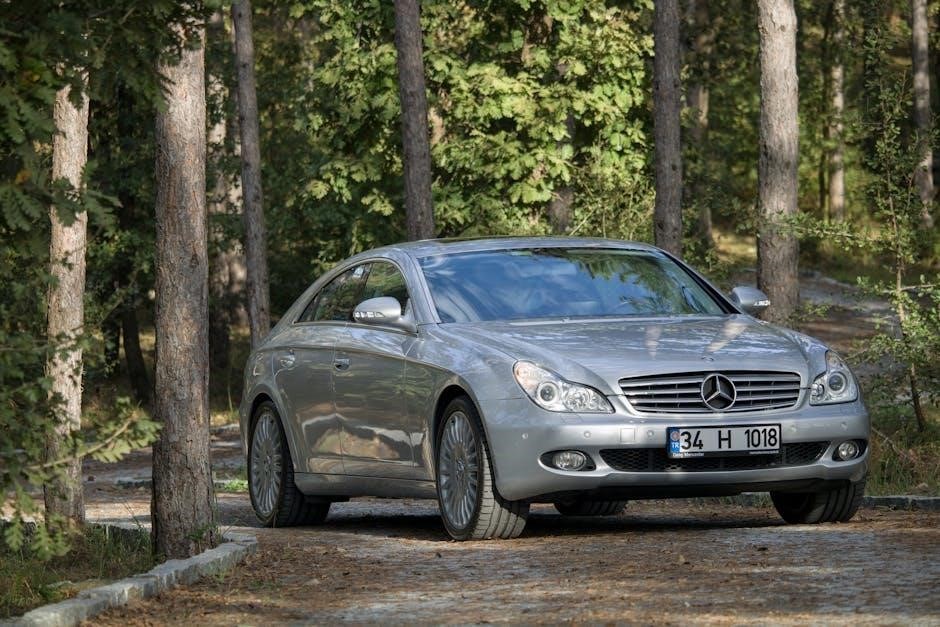
Foot-operated park brakes present challenges, particularly on hills, leading to rollbacks. Mercedes attempted solutions like hill start assist, but driver difficulty remains a concern.
Challenges with Hill Starts
Hill starts with a manual Mercedes-Benz, especially those equipped with the foot-operated park brake, can be notoriously difficult. The primary issue stems from coordinating the release of the brake, engaging the clutch, and applying the accelerator to prevent rolling backward. This coordination requires significant skill and quick reflexes, proving challenging for many drivers.
Unlike modern electronic parking brakes with hill-hold functionality, the traditional system relies entirely on the driver’s ability to maintain control during the transition. The foot brake’s location and operation further complicate matters, demanding precise footwork. This is a frequently cited reason why many opted for automatic transmissions in Mercedes vehicles.
Hill Start Assist Systems
Mercedes-Benz attempted to mitigate the difficulties of hill starts with manual transmissions by incorporating Hill Start Assist systems. These systems briefly hold the brakes engaged after the driver releases the brake pedal, providing a short window to move their foot to the accelerator without rolling backward. However, these systems weren’t always universally available or perfectly executed.
While helpful, the effectiveness of these systems varied, and many drivers still found them less intuitive than automatic hill-hold features. The foot-operated park brake remained a significant hurdle, even with the assist function. Ultimately, these systems were a partial solution to a fundamental design challenge.
Resources for Mercedes-Benz Manual Transmission Information
Online forums, like PistonHeads and Mercedes-Benz communities, offer valuable insights. Parts suppliers provide access to components, while CarGurus hosts owner questions and discussions.
Mercedes-Benz Forums and Online Communities
Engaging with online Mercedes-Benz communities is invaluable for owners of vehicles with manual transmissions. Platforms like PistonHeads UK feature dedicated threads discussing common issues, particularly concerning the foot-operated park brake and its impact on hill starts. These forums provide a space to share experiences, troubleshoot problems, and gain insights from other enthusiasts who have faced similar challenges.
Dedicated Mercedes-Benz forums often host detailed discussions on specific models, such as the C-Class (W203, W204), allowing owners to pinpoint transmission-related concerns. Members frequently share repair advice, identify reliable mechanics, and offer guidance on sourcing parts. These communities are a rich source of practical knowledge and support for maintaining these classic drivetrains.
Mercedes-Benz Parts Suppliers
Sourcing parts for Mercedes-Benz manual transmissions requires careful consideration. Mercedes-Benz USA Parts offers genuine components, ensuring compatibility and quality, though often at a premium price. Numerous independent suppliers specialize in Mercedes-Benz parts, providing both new and used options.
When addressing issues like a loose shifter or difficulty entering gears, verifying part numbers and supplier reputation is crucial. Online marketplaces and specialized Mercedes-Benz parts retailers can offer competitive pricing and a wider selection. Prioritizing reputable suppliers minimizes the risk of receiving incorrect or substandard components, safeguarding the longevity of the manual transmission.